Khon Kaen City Gate Park (Thanarak Anusorn)
Project :
Landscape Architecture
Programs :
Park and Recreation
Client :
Bangkok Metropolitan Administration (BMA)
Location :
Nai Mueang, Mueang Khon Kaen District, Khon Kaen 40000, Thailand
Year :
2024–2026
Total Area :
100,000 sq.m.
Status :
Conceptual Design
Key Strategies :
Flood resilience, Underground rainwater storage, Water square
Khon Kaen City Gate Park (Thanarak Anusorn)
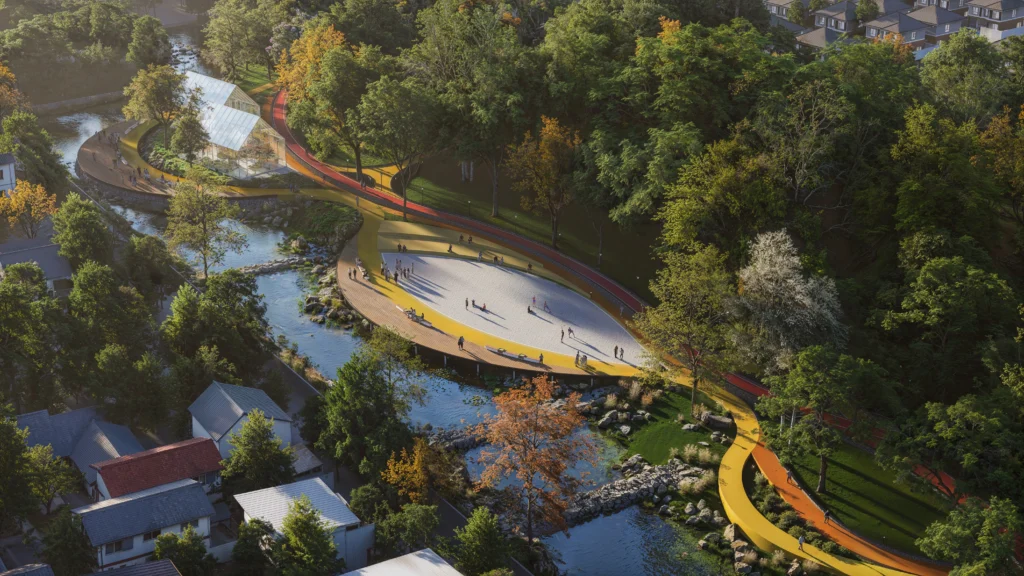
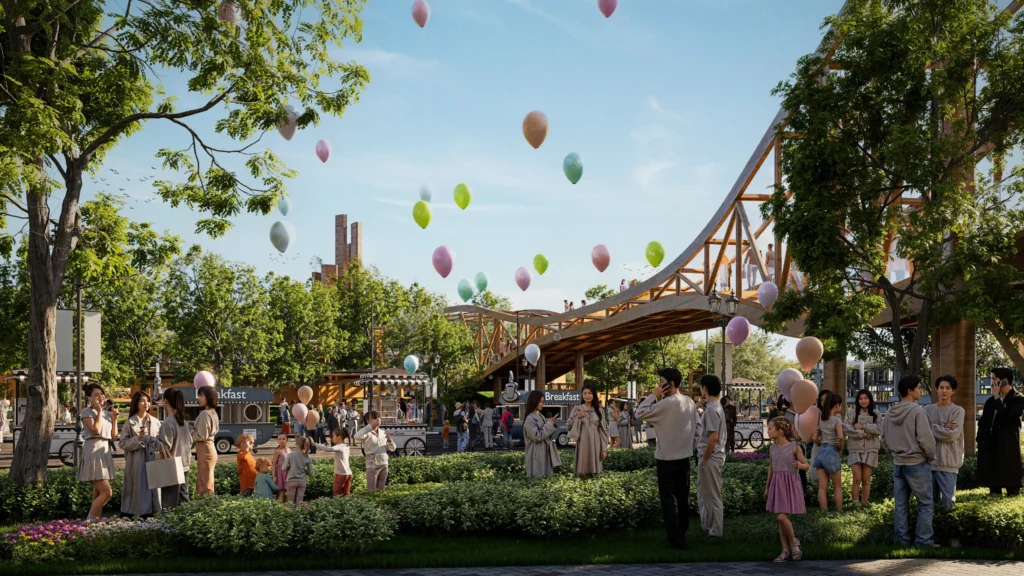
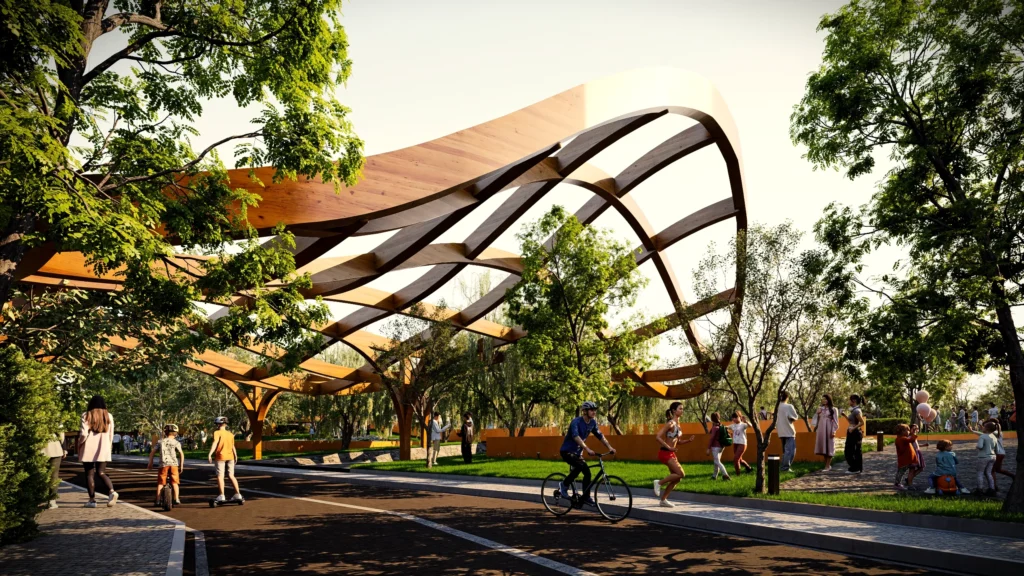
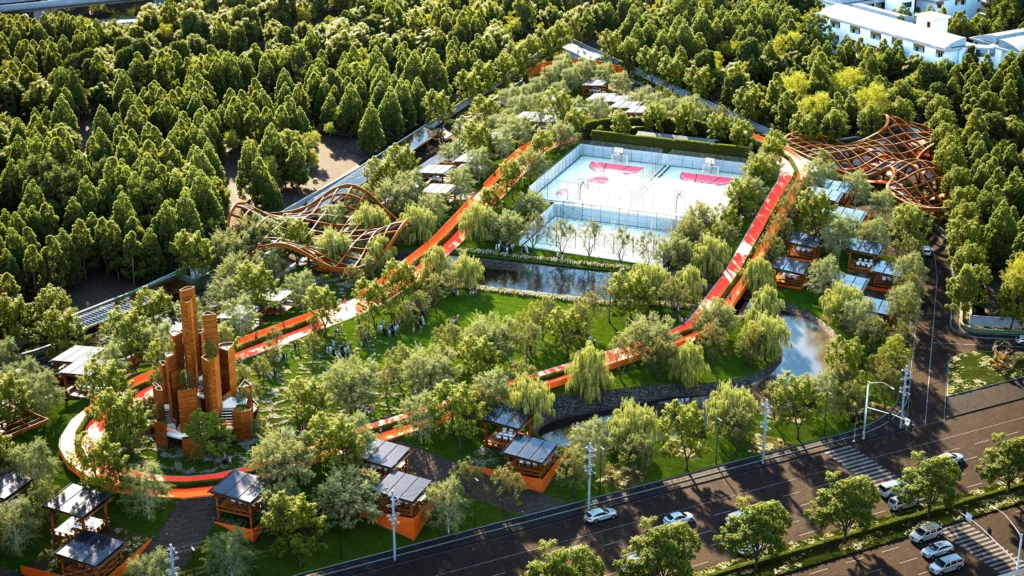
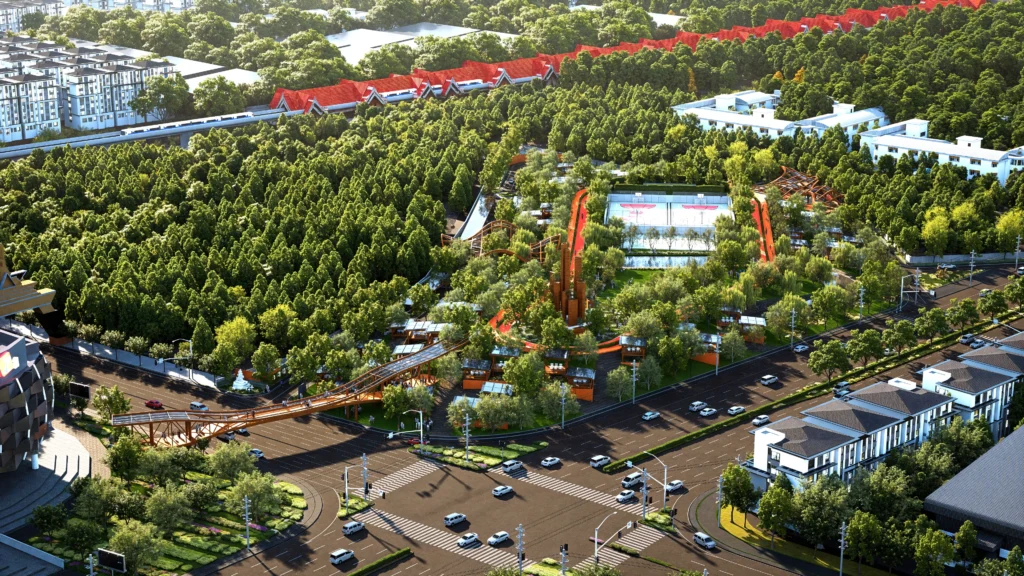
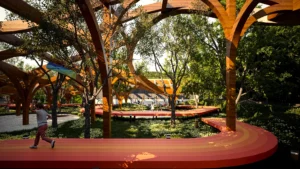
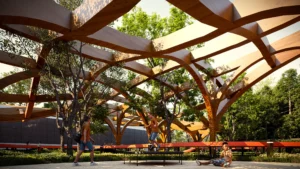
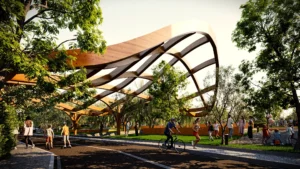
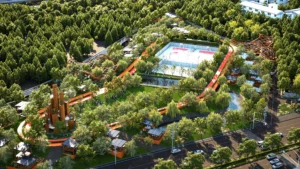
Khon Kaen City Gate Park (Thanarak Anusorn) is a large-scale urban park renovation project that repositions public landscape as a city-scale flood adaptation system. Located in the heart of Khon Kaen, this 100,000-square-meter project aims to transform not only the spatial quality of a civic landmark, but also its role in hydrological performance and disaster risk reduction. Driven by a shared vision between local administrative authorities (PAO and SAO) and the design team at nppn design and research, the park emerges as a new infrastructural and symbolic threshold for the city.
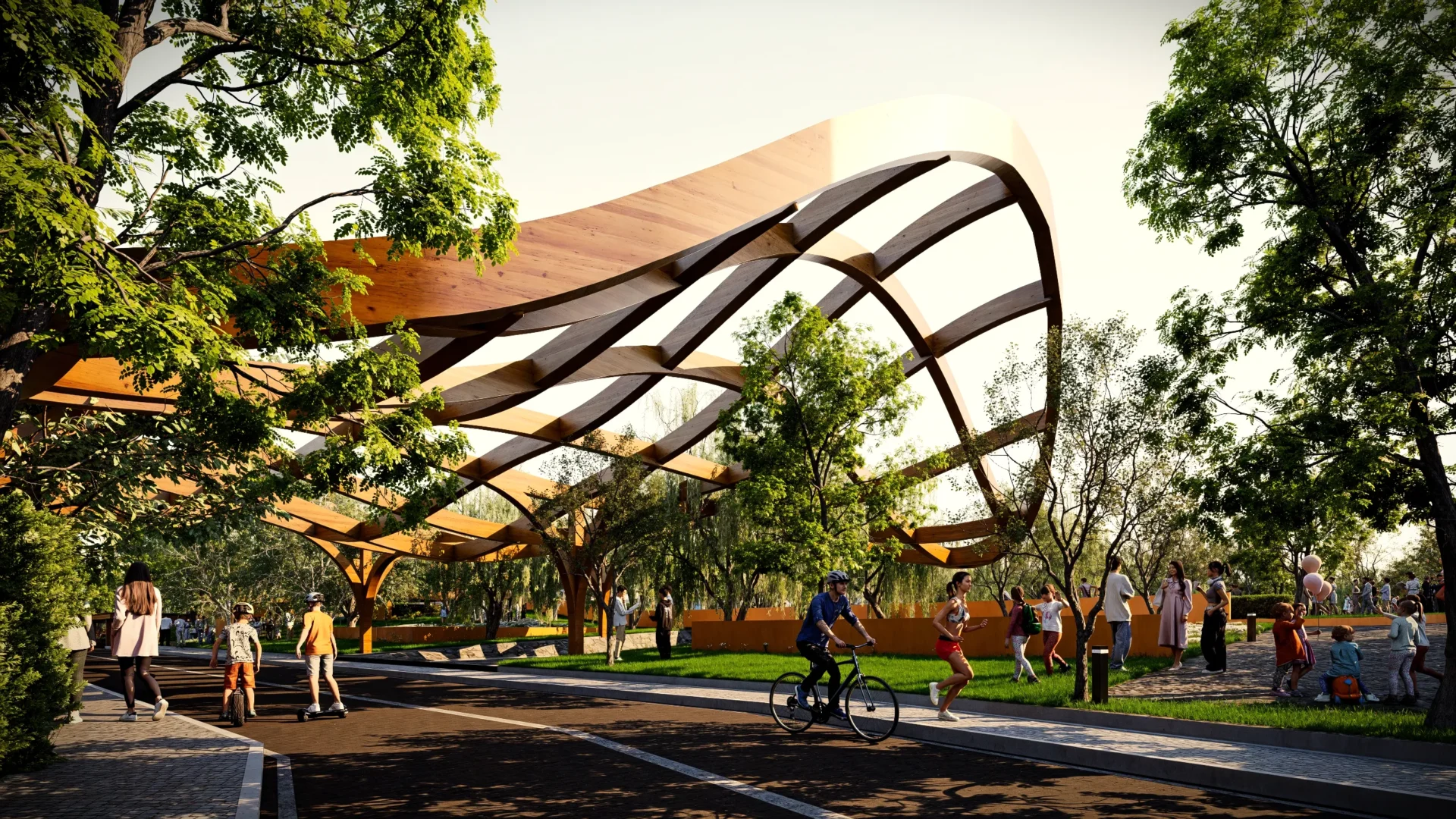
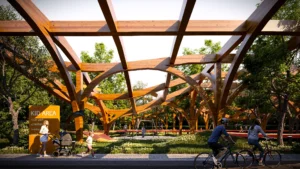
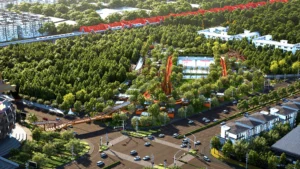
The project responds to three major urban flood challenges. First, along the road adjacent to Central Khon Kaen, seasonal flash flooding regularly disrupts both vehicle and pedestrian flows. To address this, a center median was reimagined as a multifunctional spine—a floodway during the rainy season and an event promenade during festivals, where roads are closed for public gatherings. The median is designed to receive runoff from the road edges and channel water into an underground retention system, before slowly releasing it into the main water square.
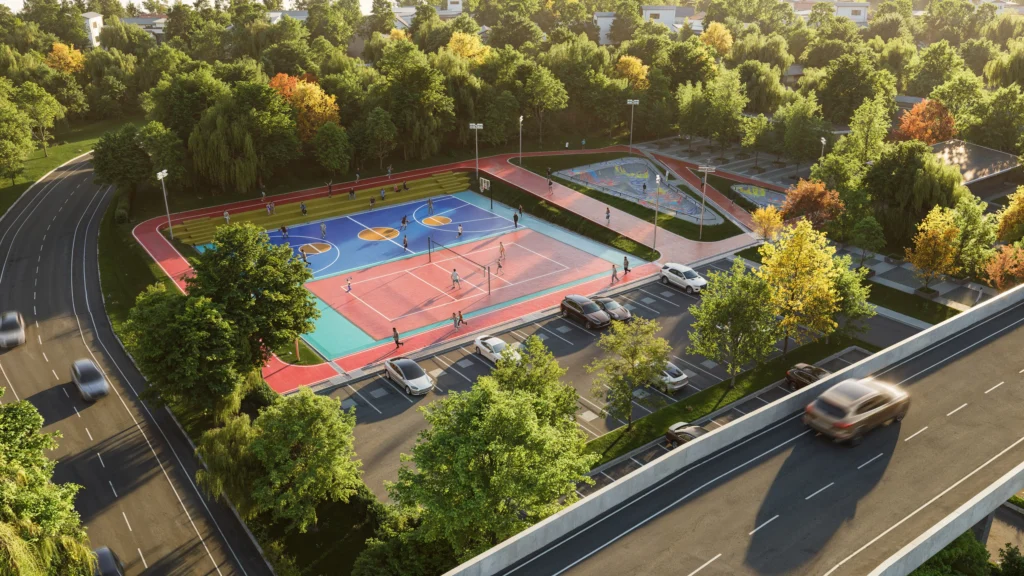
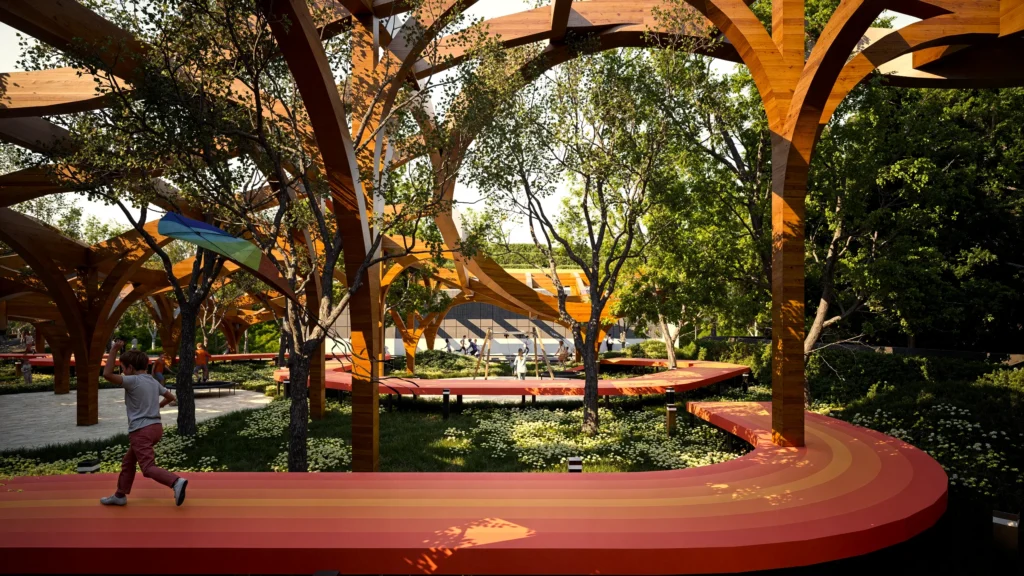
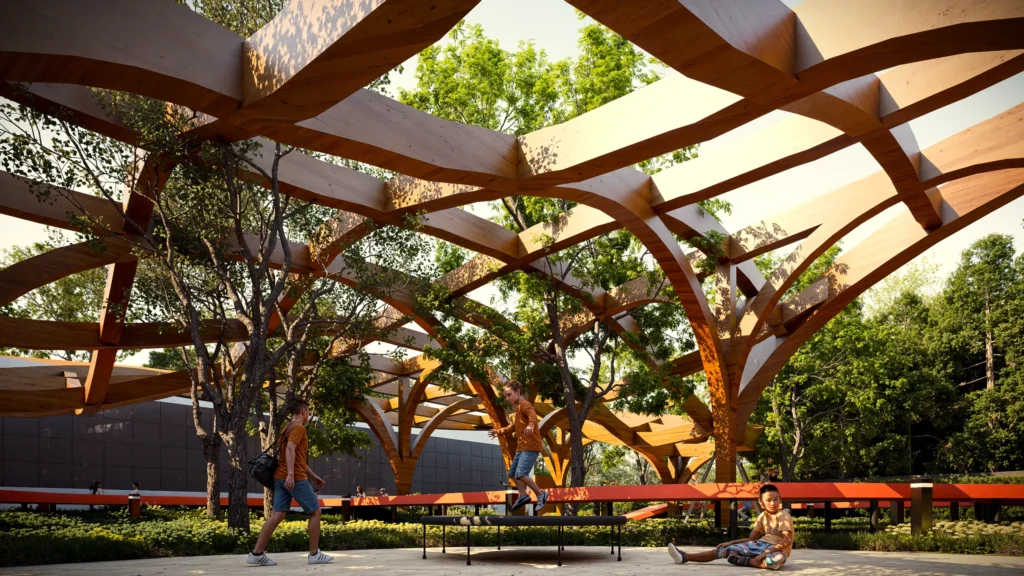
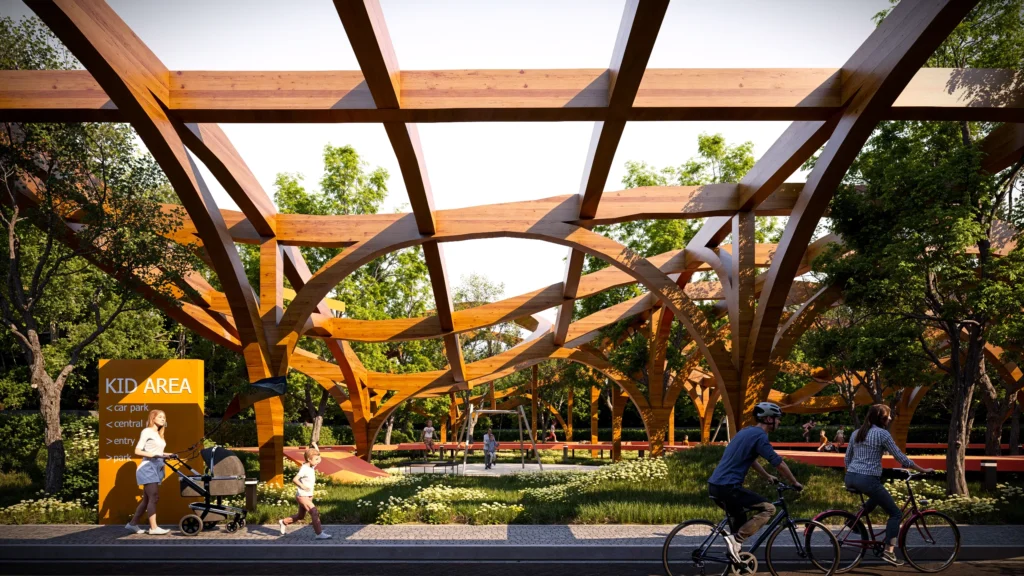
Second, the City Gate Park itself is designed as a central sponge, absorbing water from surrounding zones while providing an open-air recreational and cultural space. The park utilizes sponge city principles—combining bioswales, sunken gardens, and permeable surfaces to allow infiltration and detention. Key facilities include civic plazas, a rainwater amphitheater, and sports courts—all integrated with passive water management features and green infrastructure.
Third, the recurrent flood zones in nearby alleys and neighborhoods are connected through a system of underground stormwater conduits that collect and direct overflow toward the park. These systems are designed to capture localized runoff during storm events, funneling it beneath the streets into subsurface flood tanks and then transferring excess water to the park’s holding areas. In this way, the park becomes the final node of an interconnected district-scale water management system, turning a flood-prone landscape into a managed ecological infrastructure.
More than just a park, Khon Kaen City Gate Park represents a new landscape paradigm—where civic space, water resilience, and local identity converge. It serves as a living example of how public space can operate across multiple functions: everyday leisure, cultural gathering, and emergency absorption. As Khon Kaen evolves into a model for northeastern urban development, this project positions itself as both a functional flood solution and an iconic gateway landmark for the future.
Related Projects