Ball’s House
Project :
Architecture / Interior Architecture
Programs :
Private Residence
Client :
Confidential
Location :
Bangkok, Thailand
Year :
2024
Total Area :
750 sq.m.
Status :
Completed
Key Strategies :
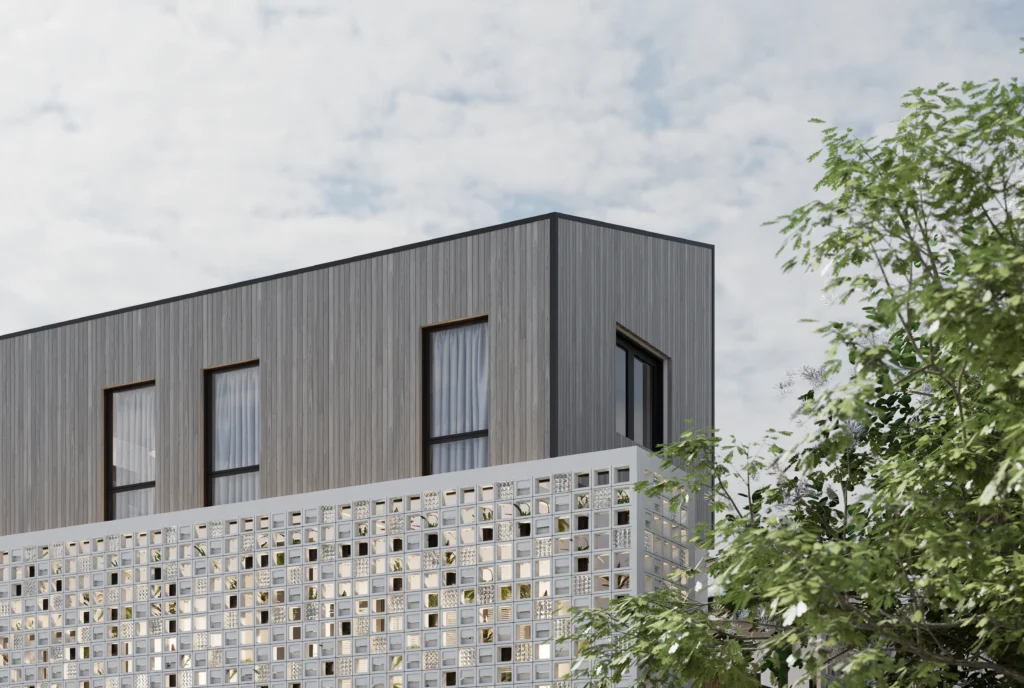
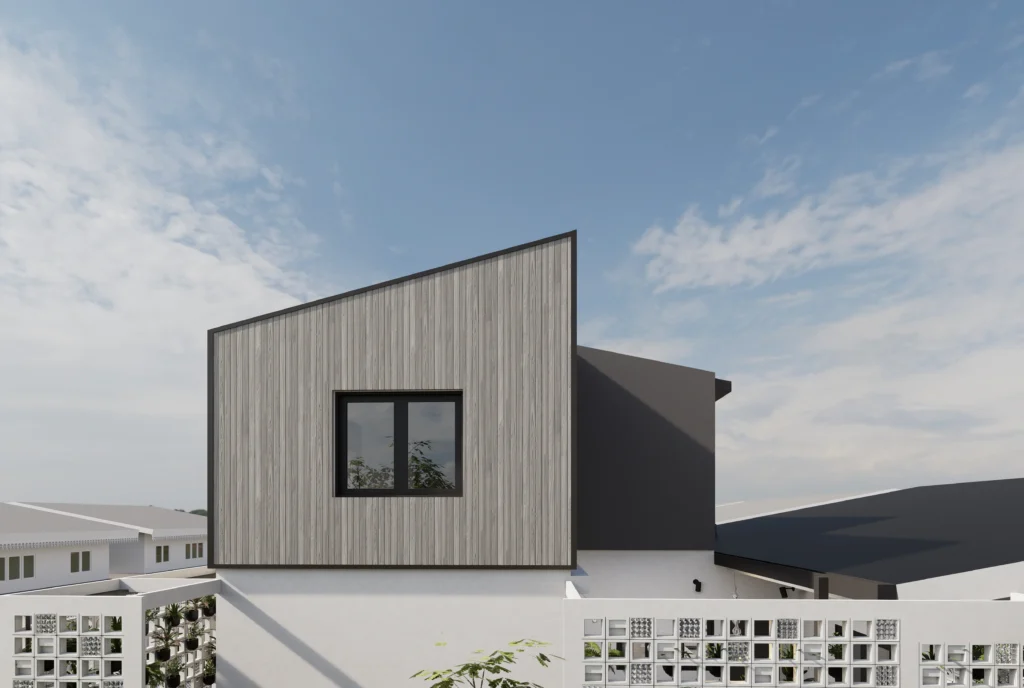
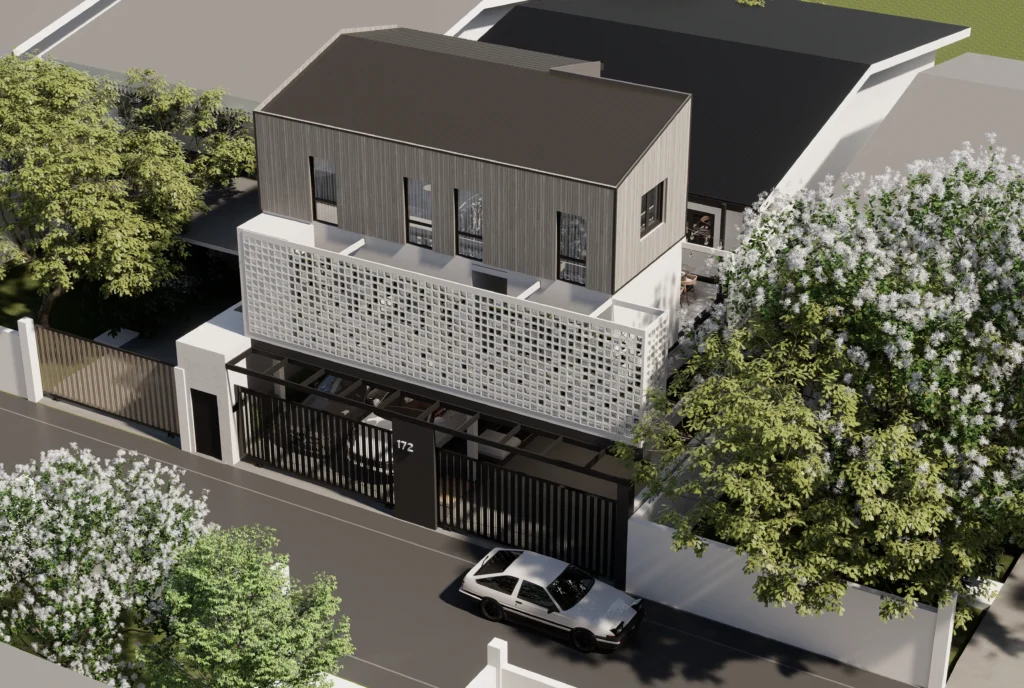
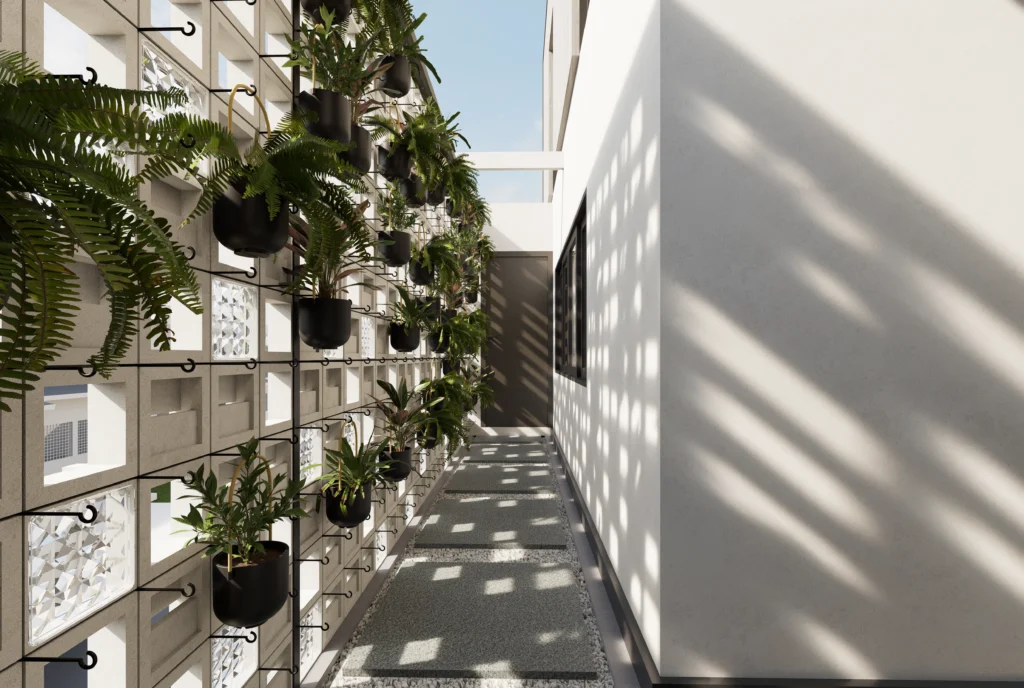
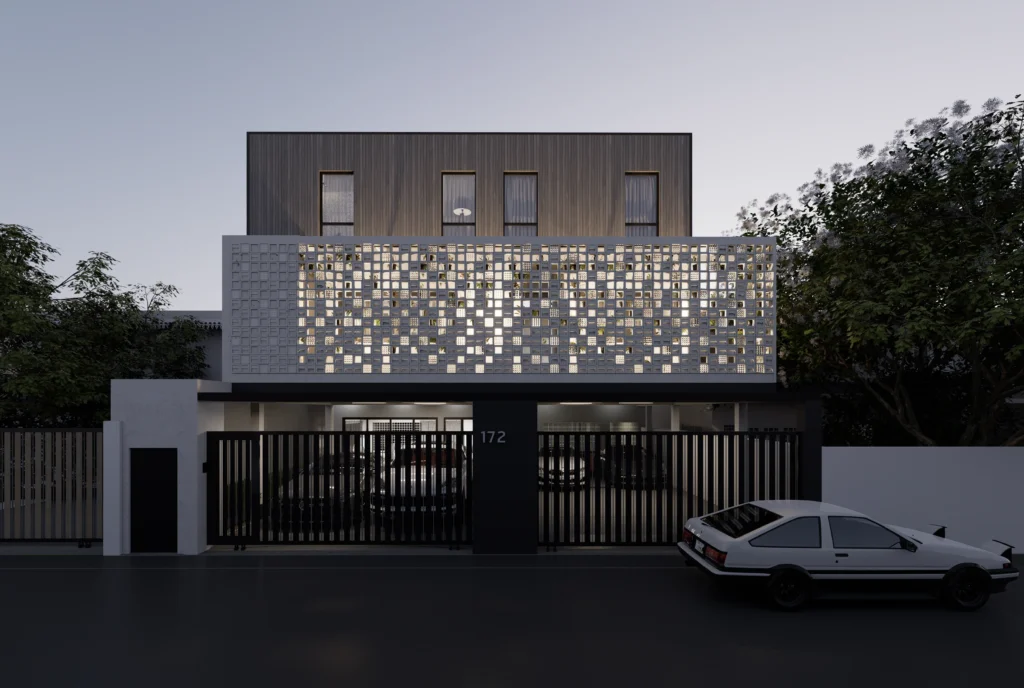
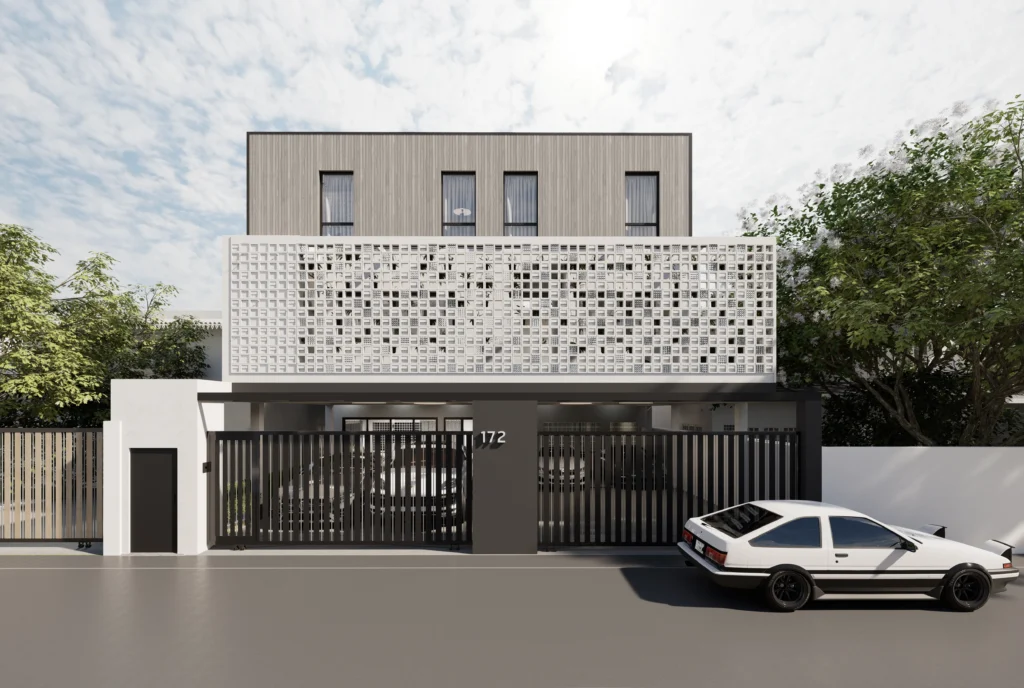
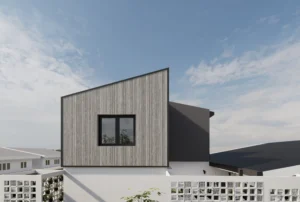
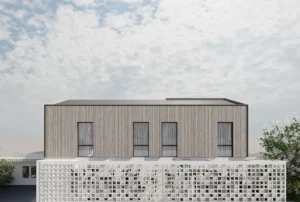
Passive Design, Lifestyle-Centered Planning, Natural Ventilation, Functional Flexibility, Water-Aware Architecture
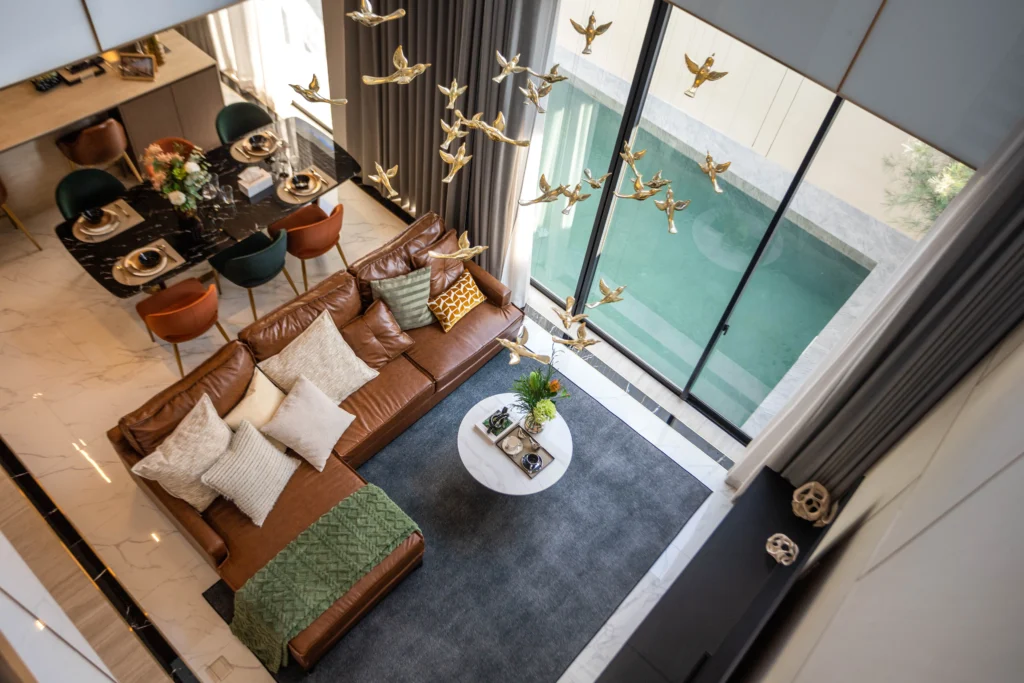
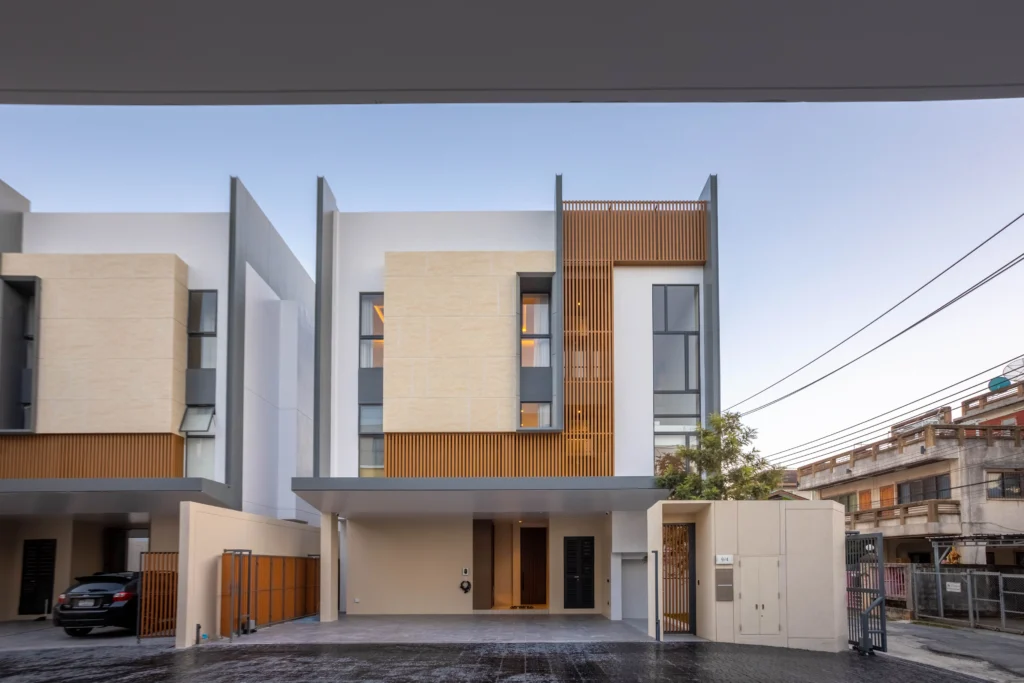
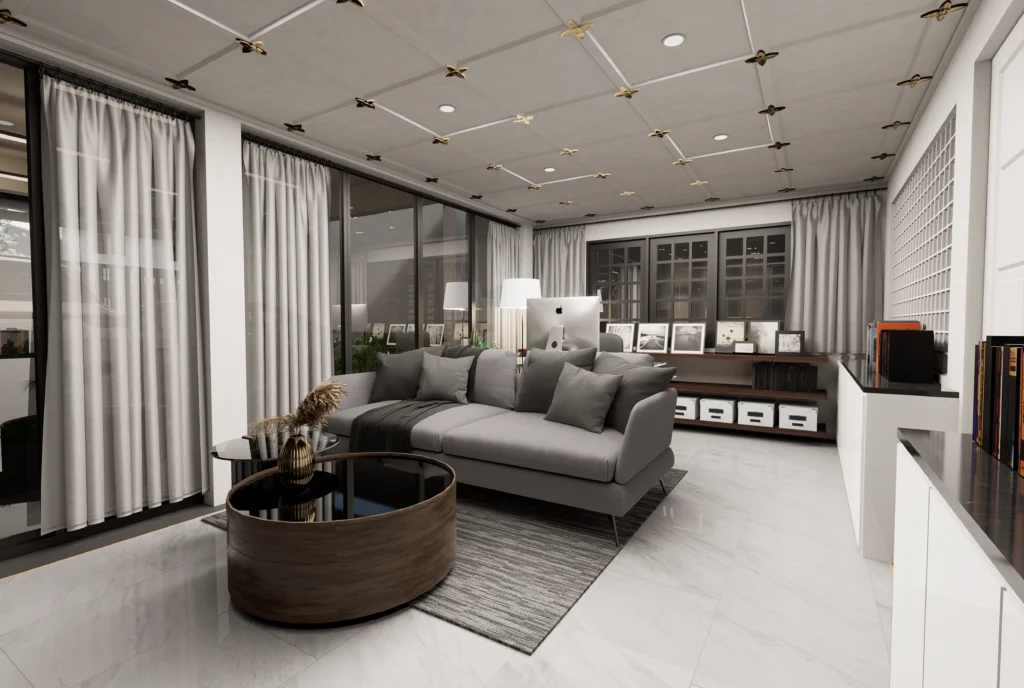
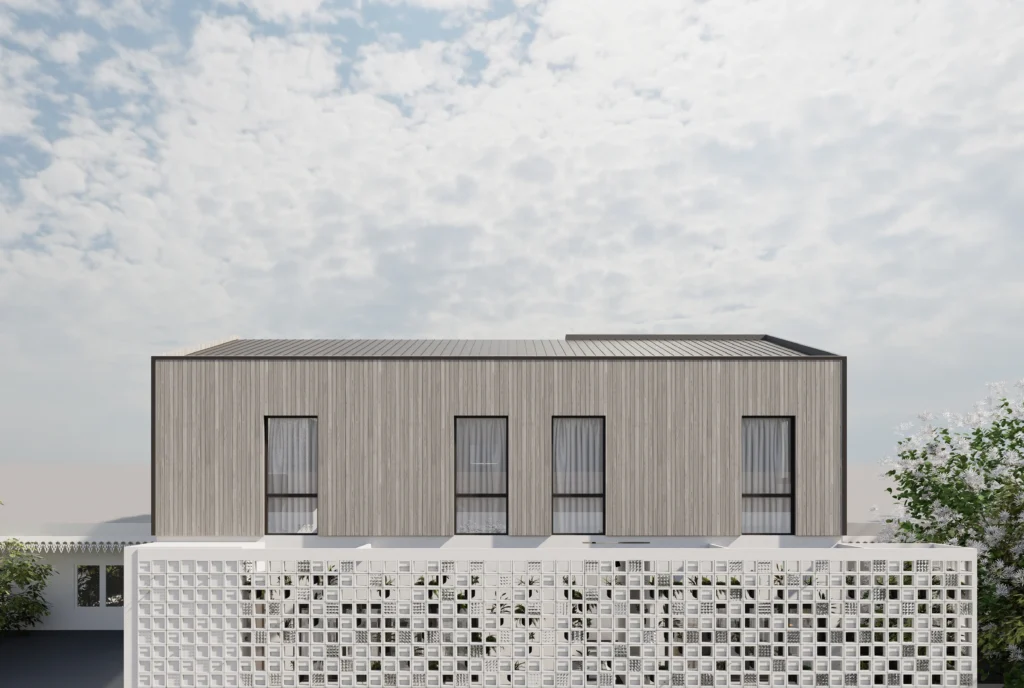
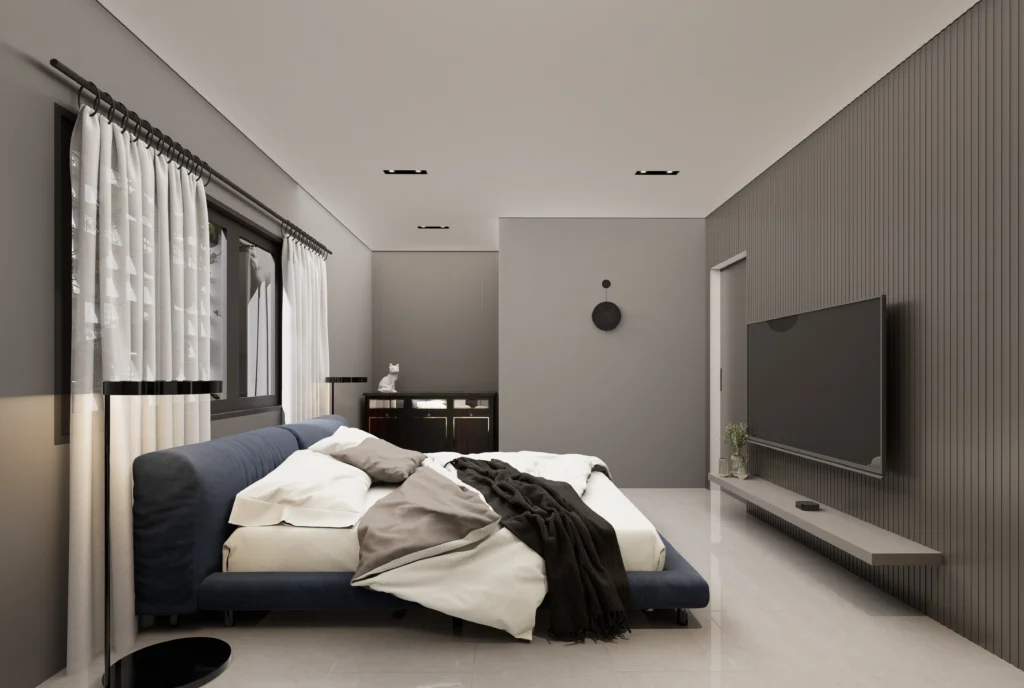
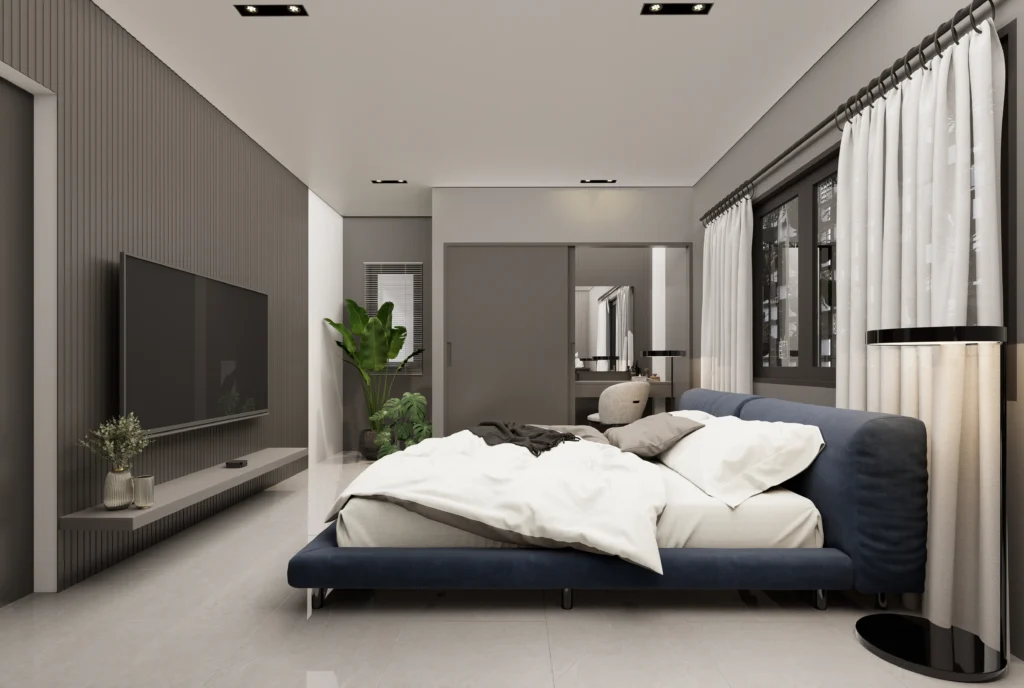
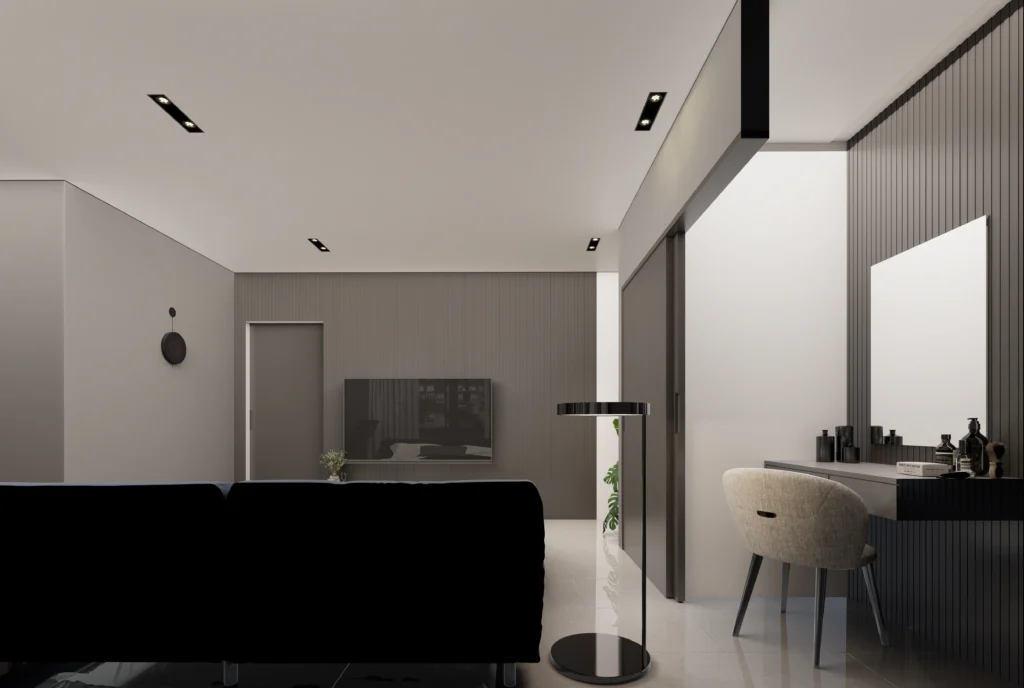
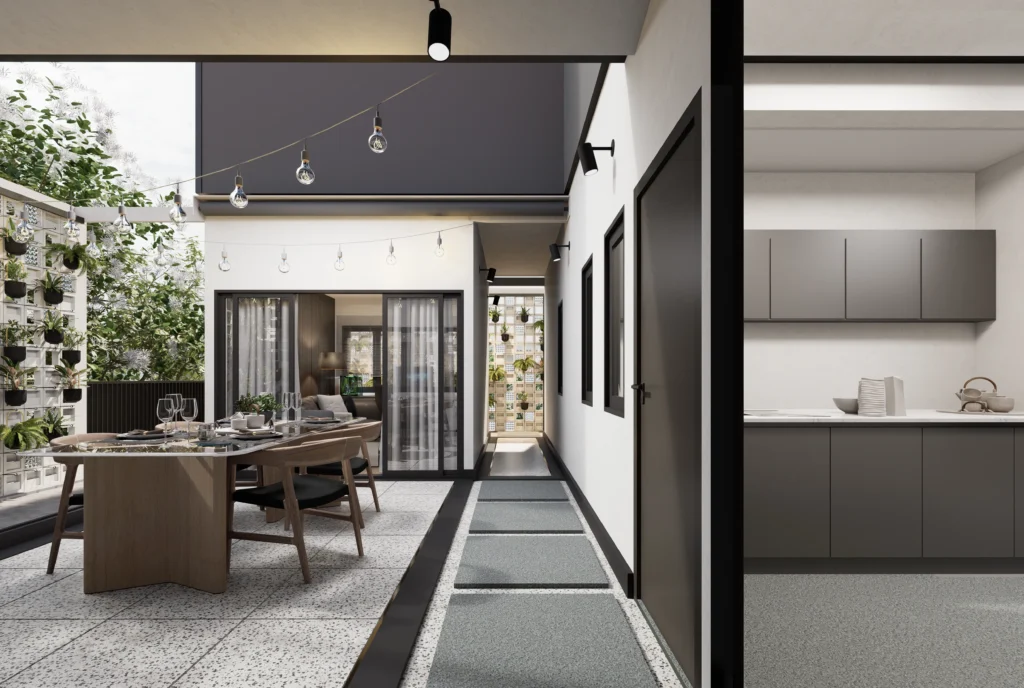
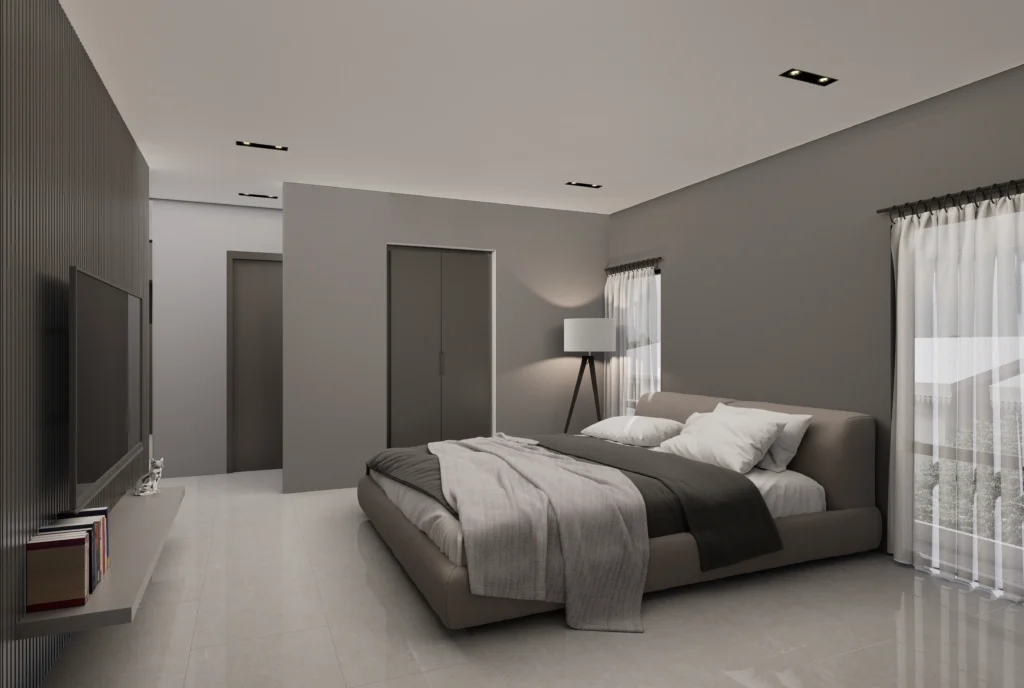
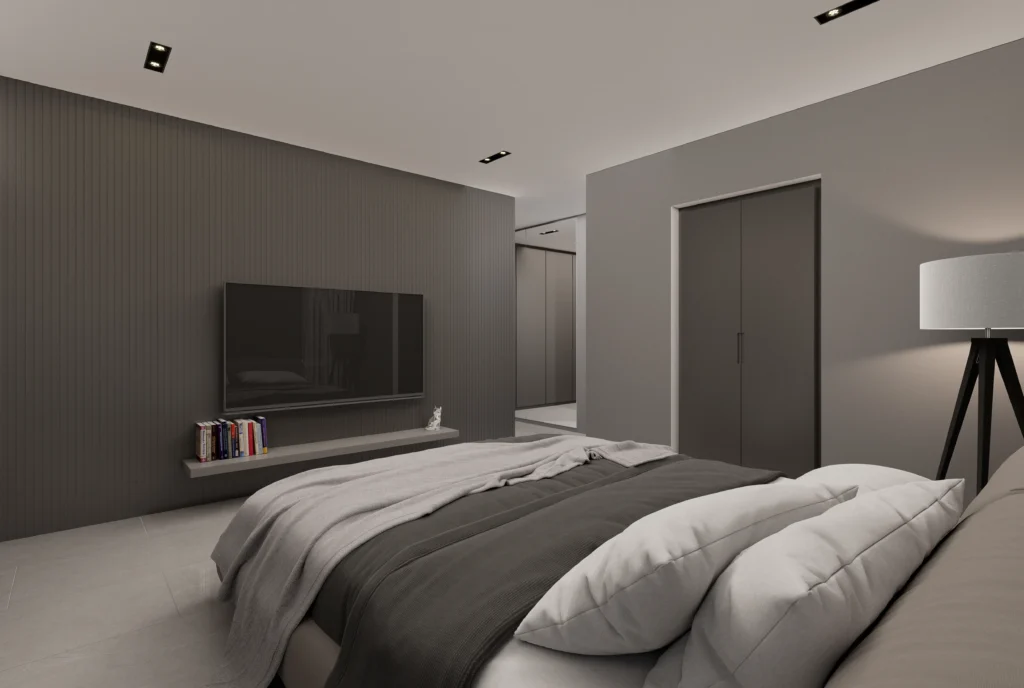
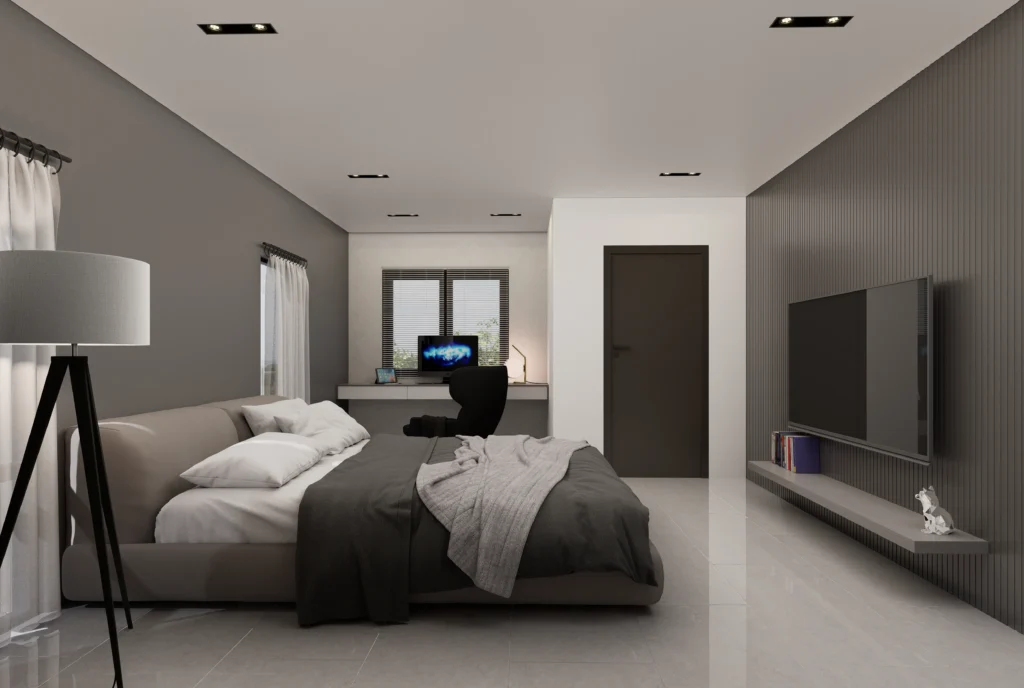
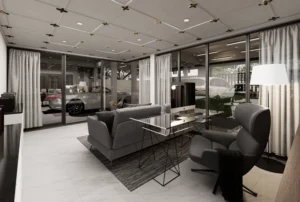
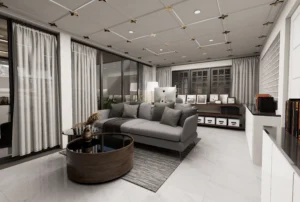
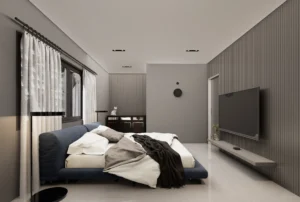
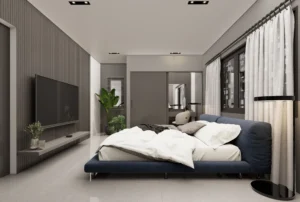
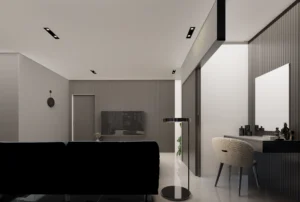
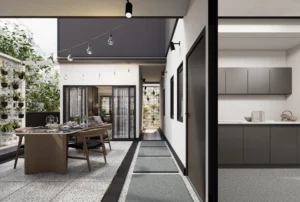
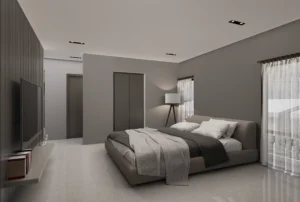
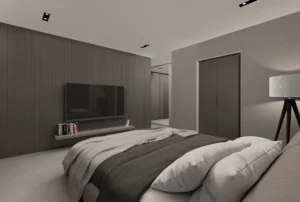
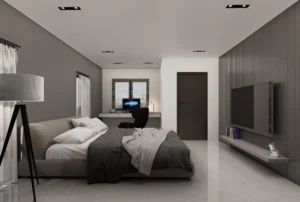
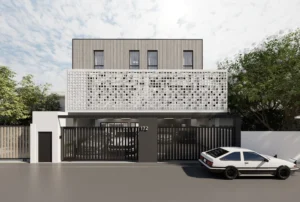
Internally, Ball house is a study in functionality and serenity. The layout prioritizes zoning between public and private areas, ensuring that living, dining, working, and resting each occur in settings that are appropriately scaled, lit, and acoustically buffered.
Materials are selected to balance warmth and performance, hardwood floors, matte stone counters, woven textures, and low-VOC finishes provide both durability and comfort. Natural light is maximized through strategic glazing, while built-in storage, recessed lighting, and layered ceiling heights create a sense of architectural clarity.
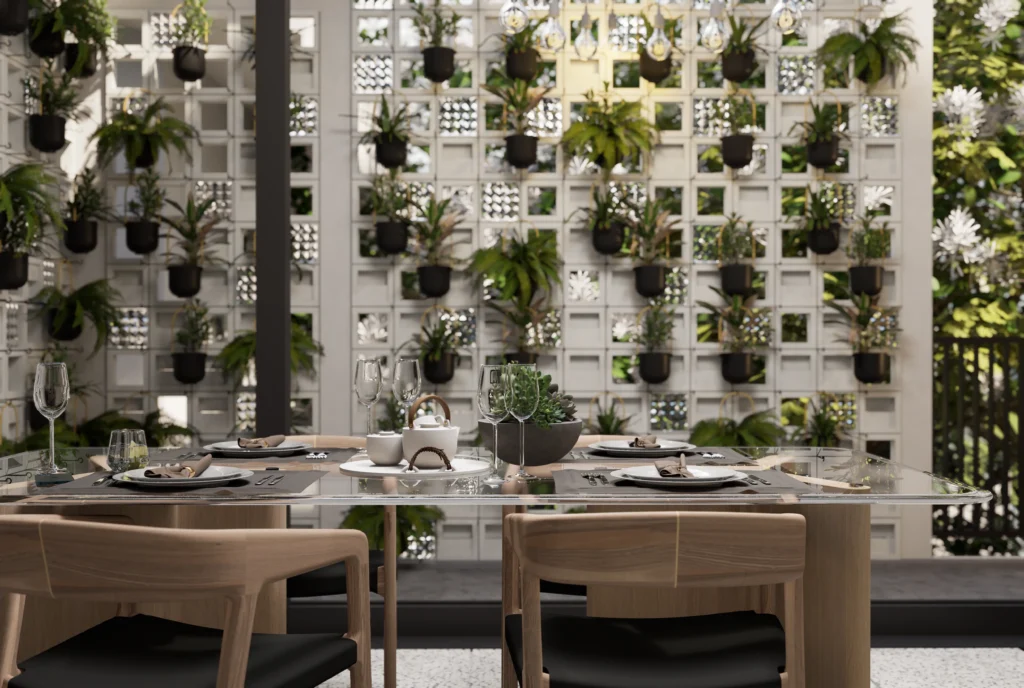
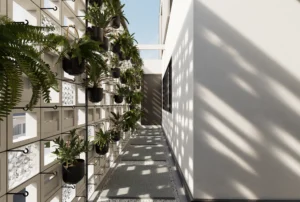
Customization is a key value: every home features furniture layouts, millwork, and color palettes that reflect the personality and habits of the homeowners, whether minimalist, cozy, or expressive. Integration with outdoor areas, such as pocket gardens, balconies, or rooftop terraces, offers extended living zones that connect architecture with nature.Ultimately, Ball house is not just a house, but a crafted space for living well, where design supports everyday rituals, personal identity, and long-term resilience.
The interior architecture of the facility carries forward the clarity and modularity of the architectural shell, transforming functional programs into coherent, flexible, and health-conscious environments. Internal zoning responds to both flow and control: from intake bays and storage rooms to meeting areas and multi-purpose spaces, each area is defined by both use and user comfort.
A warm, institutional palette brings approachability to the space: white base tones for hygiene, punctuated by yellow for wayfinding and entry thresholds, and a green-yellow combination in shared spaces, an intentional nod to Semed’s brand identity. Flooring in wet zones uses anti-slip epoxy, while dry zones adopt vinyl and composite wood patterns for resilience and warmth.
Furniture is modular, lightweight, and accessible. Workspaces are designed around collaboration and clarity, with low partitions in admin zones, fully glazed meeting rooms for transparency, and acoustically treated ceilings in the auditorium for optimal performance during seminars and training sessions. Light, air, and spatial proportion are choreographed to support long hours of use without fatigue.
Technology integration includes smart ventilation control, flexible power/data routing, and multi-screen connectivity in shared spaces. Meanwhile, the multi-purpose training zone, linked directly to the central open-air void, can host workshops, public seminars, and cross-sectoral healthcare coordination.
Related Projects