Plean Plang House V1
Project :
Architecture
Programs :
House
Client :
Dr. Pock
Location :
Pak Chong District, Nakhon Ratchasima Province, Thailand
Year :
2024
Total Area :
420 sq.m.
Status :
Design Option – Conceptual Stage
Key Strategies :
Elevated landform, underground water storage, vertical green walls
Plean Plang House – Version 1: A Fantasy of Resilient Living
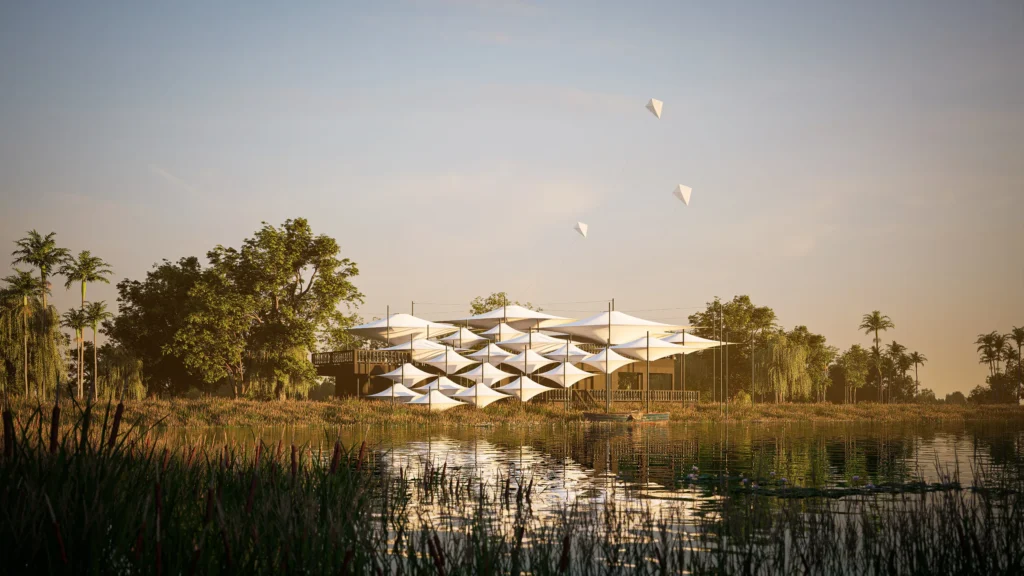
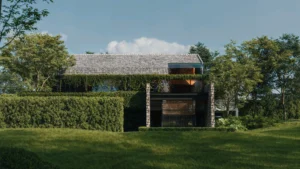
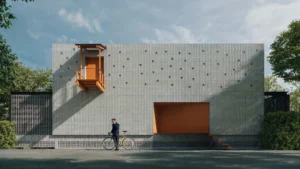
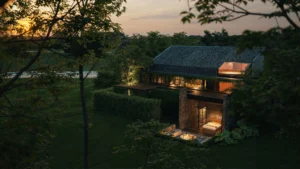
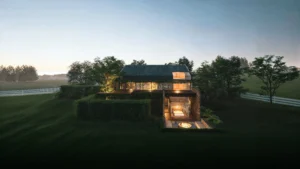
Plean Plang House (Version 1) is a visionary reinterpretation of a countryside retreat, developed as an initial concept proposal for Dr. Pock. Located in the mountainous terrain of Pak Chong, this 420-square-meter home blends fantasy-modern aesthetics with environmental intelligence. The design explores freedom in form embracing curved geometries, vibrant color palettes, and layered material contrasts that evoke motion, surprise, and wonder. Positioned diagonally across the site to frame panoramic views of the Khao Yai ridgeline, the house elevates itself atop an artificial landform, minimizing flood risks while shaping water flow across the terrain. It is not just a weekend house, it is an architectural statement that fuses playfulness with performance.
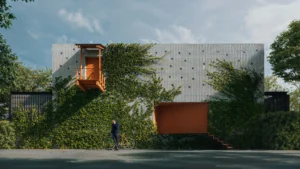
A central theme of this version is the integration of ecological infrastructure into design expression. The façade incorporates vertical green walls—modular and living—acting as biofilters that delay, retain, and cool water while softening the building’s presence. Beneath the structure lies a subsurface water storage system, collecting runoff from roof and façade surfaces for reuse in irrigation, misting, and sanitation. The program itself invites multi-sensory engagement: a central lounge with panoramic glazing, open atrium kitchen, sculpted bedroom pods, and elevated reading nooks all crafted from low-carbon concrete, bamboo composites, and even moss-covered walls. Materials are selected not only for environmental value but to invoke texture, light, and atmosphere, bridging sustainability with imagination.Though ultimately not selected as the final version, Plean Plang House – Version 1 played a formative role in shaping the project’s adaptive design strategy. It embodies nppn’s belief that resilient architecture can be expressive, joyful, and emotionally resonant. It demonstrates the value of exploring multiple design pathways, embracing flexibility in form and program, and transforming climate responsiveness into a narrative of beauty and creativity. This version remains a milestone of experimentation—a reminder that resilience doesn’t always have to be grey or technical; it can be lush, luminous, and alive with personality.



Related Projects