Pharmacology and Toxicology Building
Project :
Architecture / Interior Architecture
Programs :
Laboratory Spaces, Research Offices, Meeting Rooms, Educational Support Areas
Client :
Thailand Institute of Scientific and Technological Research (TISTR)
Location :
Khlong 5, Pathum Thani, Thailand
Year :
2025 (Under Construction)
Total Area :
1,200 sq.m.
Status :
Under Construction
Key Strategies :
Clean-Zone Planning, Daylight Integration, Material Hygiene, Adaptive Lab Configuration, User Flow Clarity
Pharmacology and Toxicology Building – Climate-Resilient Science in Practice
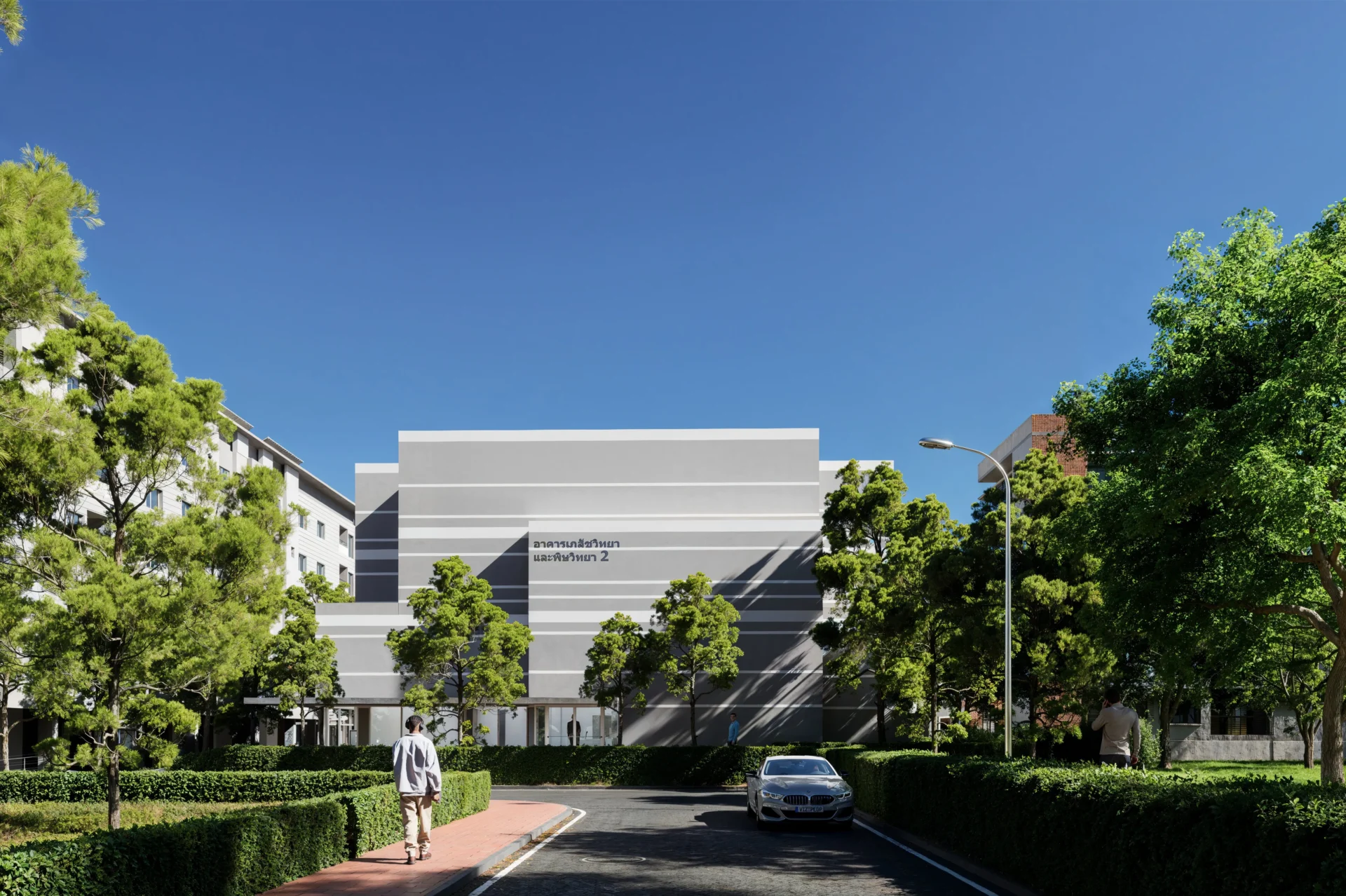
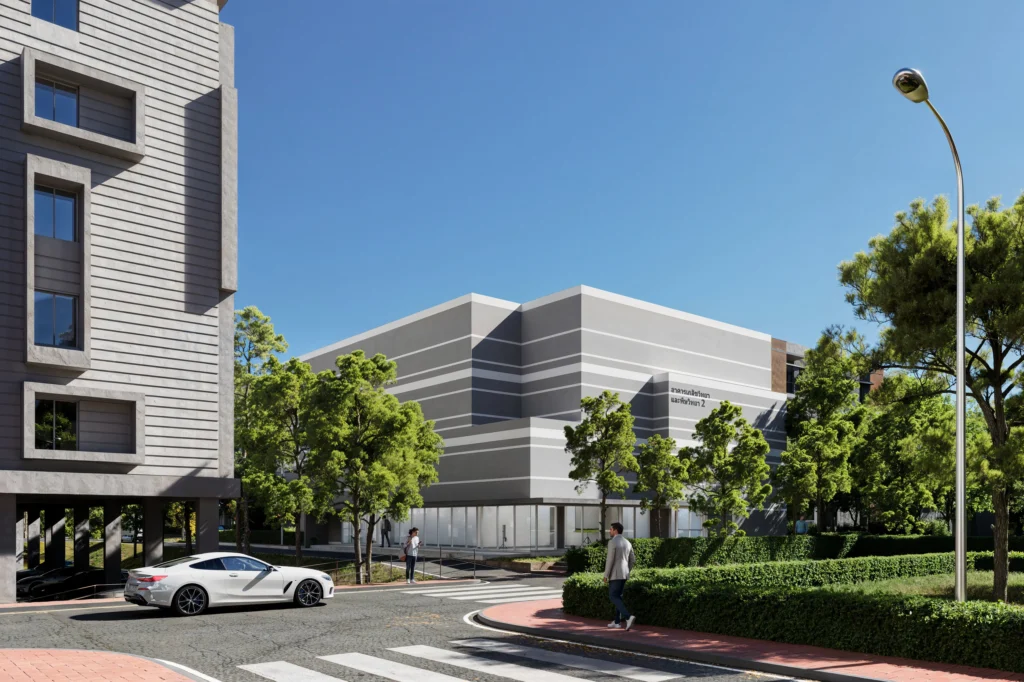
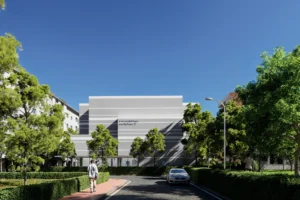
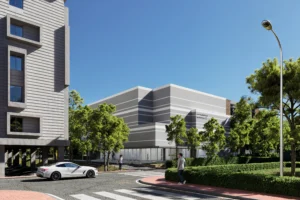
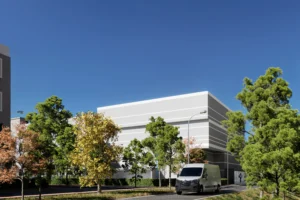
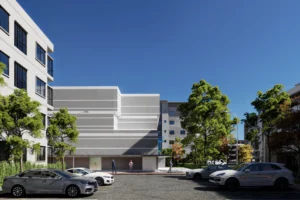
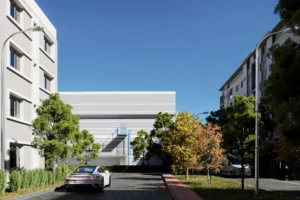
Situated in Khlong 5, Pathum Thani, the Pharmacology and Toxicology Building for the Thailand Institute of Scientific and Technological Research (TISTR) is a flood-resilient, science-driven facility that reflects a new paradigm in institutional architecture. Encompassing 1,200 sq.m. of built area, the project integrates form-follows-function logic with climate adaptation measures to protect sensitive research environments in a flood-prone zone. Set atop an elevated artificial landform, the building avoids disruption by seasonal floods while maintaining a rational layout that separates clean laboratories, engineering labs, and administrative spaces. The structure is arranged across two main levels: a ground floor dedicated to pharmacological and toxicological labs, and a mezzanine platform that supports cross-disciplinary engineering functions designed for operational clarity, airflow control, and ease of maintenance.
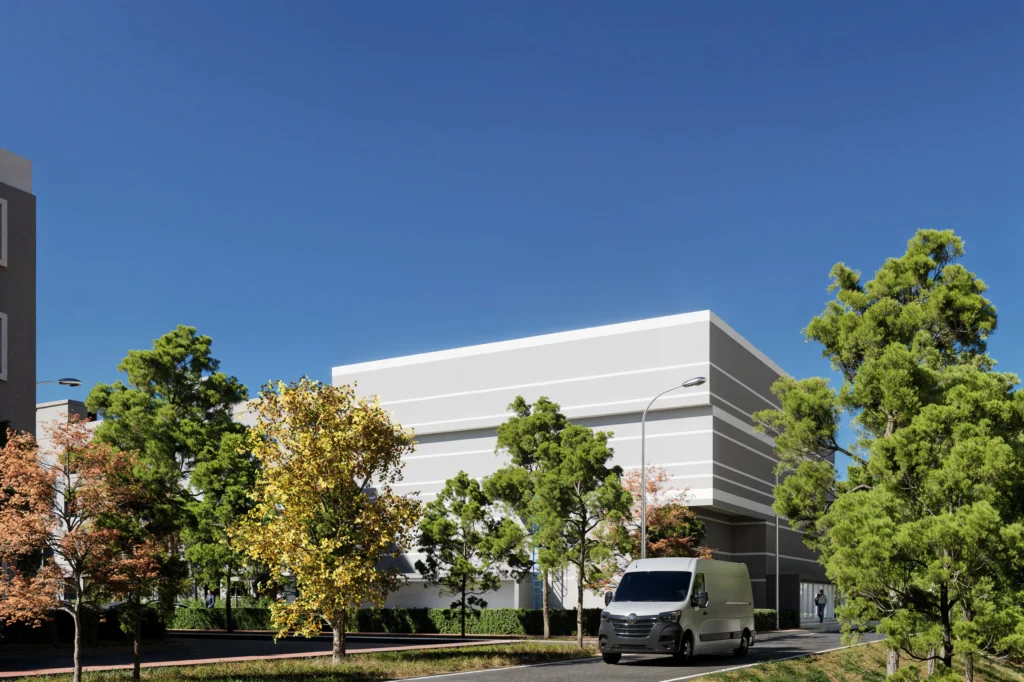
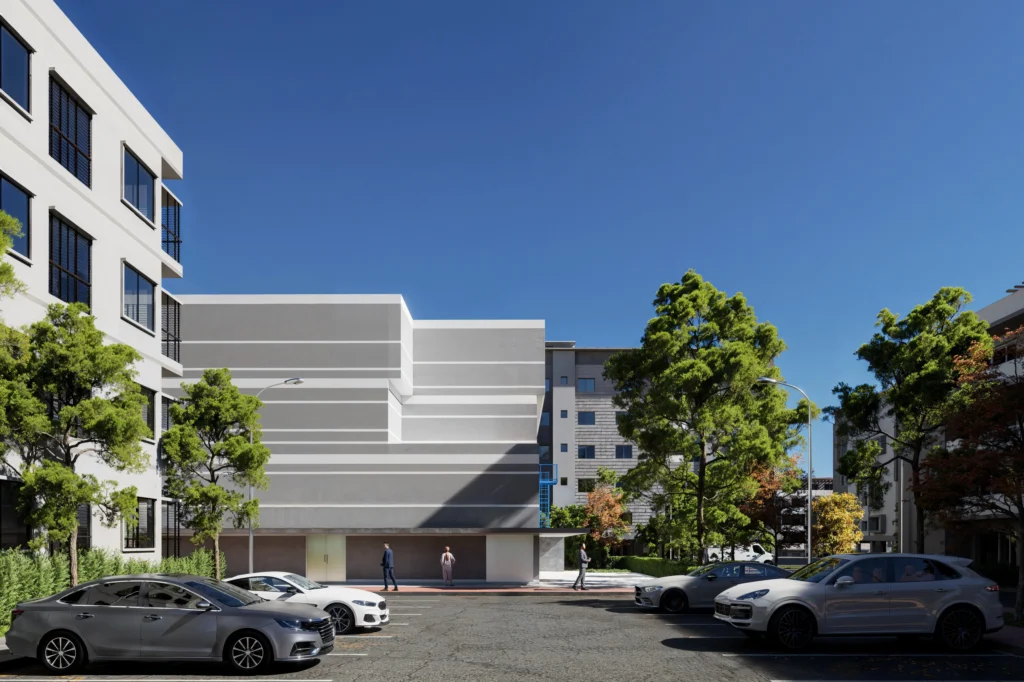
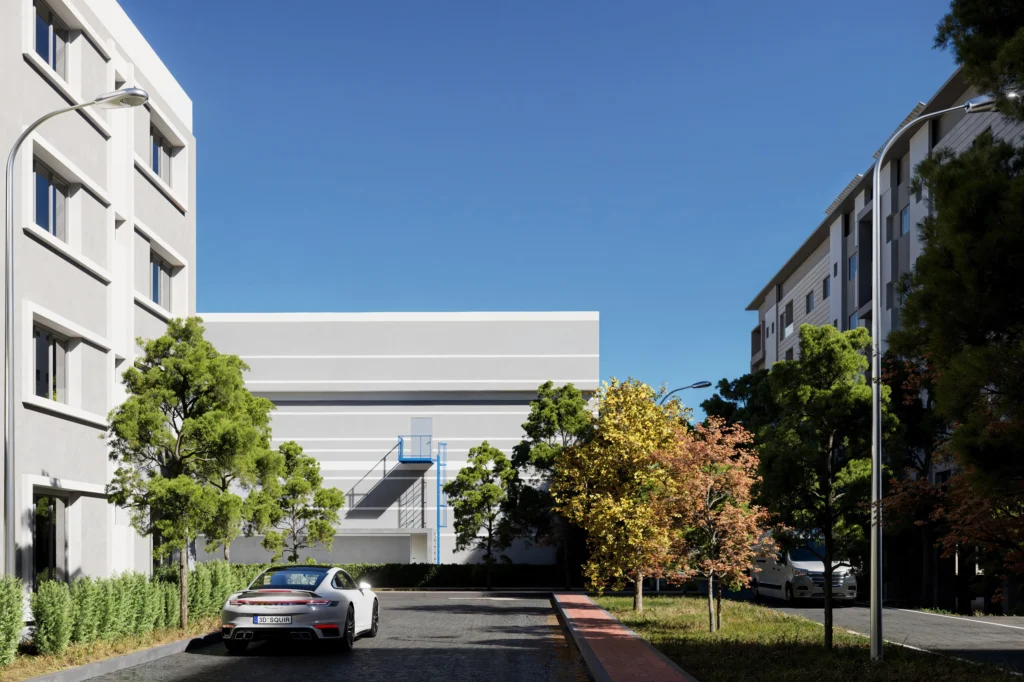
The project’s most defining features are its layered façade and integrated green infrastructure. Inspired by the site’s agricultural history, the façade incorporates precast textures and louvered patterns that evoke rice terraces while providing shade, daylight modulation, and passive cooling. Beneath the surface, the landscape is shaped for resilience, with bioswales, rain gardens, and vegetated buffers that delay and filter water before reaching the main drainage. The design team worked closely with engineers and researchers to ensure that spatial layout aligns with stringent lab protocols while remaining adaptable for future expansions. This results in a building where infrastructure and institution work hand-in-hand, not only protecting research but expressing a deeper architectural narrative rooted in context and climate.This project reflects nppn design and research’s philosophy that resilience must exist across all typologies, from homes and parks to laboratories and national institutions. It proves that sustainability and scientific precision are not mutually exclusive, and that thoughtful site interventions can result in broad systemic impact. As the building progresses through construction, it is poised to become a benchmark for scientific architecture in flood-prone regions, demonstrating how adaptive landforms, performance-driven form, and contextual storytelling can come together to serve both human knowledge and environmental responsibility.
Related Projects