Safe Bangkok, Be Resilience
Project :
Landscape Architecture / Urban Infrastructure
Programs :
Flood Risk Management, Relational Urbanism
Client :
Bangkok Art and Culture Centre (BACC)
Location :
BACC, Bangkok, Thailand
Year :
2021
Total Area :
Conceptual Scope (Exhibition Scale)
Status :
Conceptual Design (Exhibition – PARADISE LOST)
Key Strategies :
Relational Urbanism (RU), Flood risk adaptation through regeneration, Nature-based Solutions (NBS), Super Dike as hybrid infrastructure, Sponge city and underground retention, Urban adaptation pathways
“กรุงเทพเปลี่ยนแปลง (PARADISE LOST)”
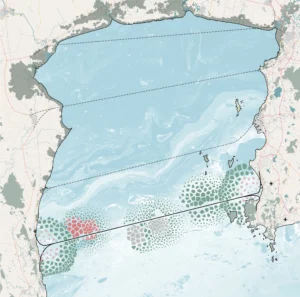
Safe Bangkok, Be Resilience is a conceptual landscape and urban infrastructure project exhibited under the theme “กรุงเทพเปลี่ยนแปลง (Paradise Lost)” at the Bangkok Art and Culture Centre (BACC) in 2021. Framing the city’s fragility and transformation through the lens of climate adaptation, the project investigates how Bangkok’s urban fabric can evolve through relational urbanism (RU) to become more flood-resilient and future-ready.
As one of the most flood-vulnerable megacities in the world, Bangkok faces complex challenges: rising water levels, outdated drainage systems, and fragmented responses across agencies and communities. In the aftermath of the 2011 mega flood, it has become clear that isolated or top-down interventions are no longer sufficient. This project proposes that relational urbanism, grounded in adaptive reuse, bottom-up processes, and infrastructure-integration, is the key to unlocking Bangkok’s adaptive potential.
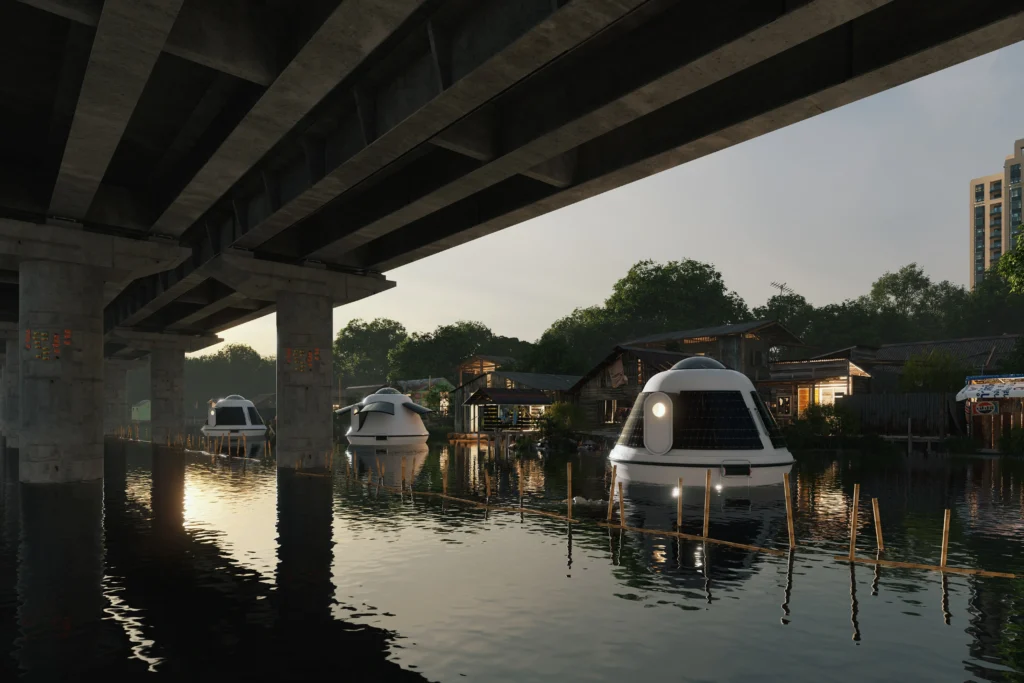
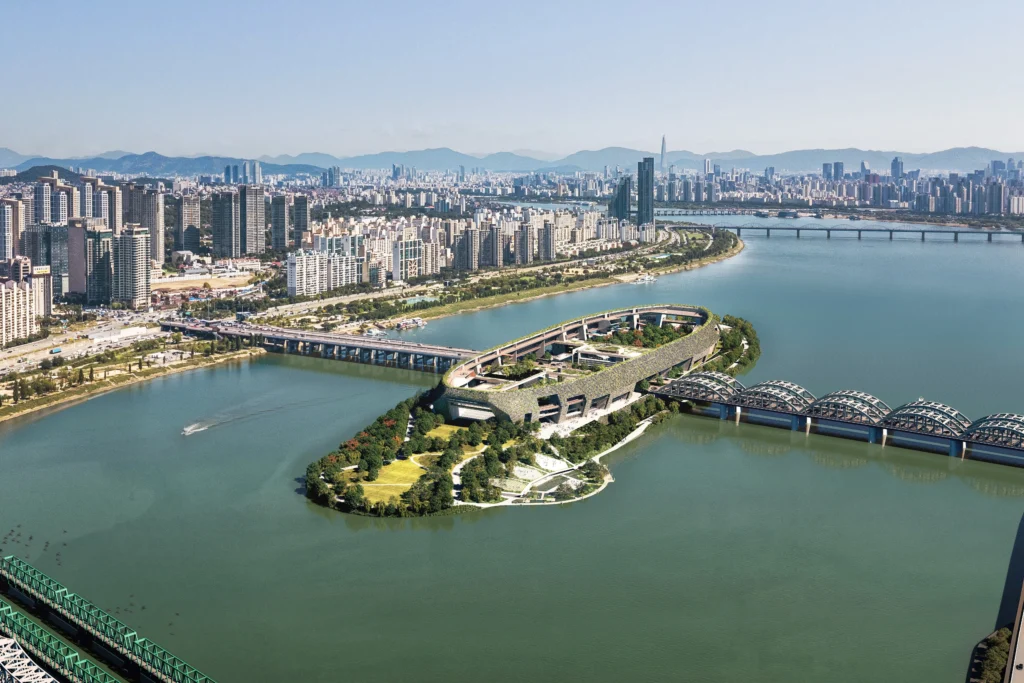
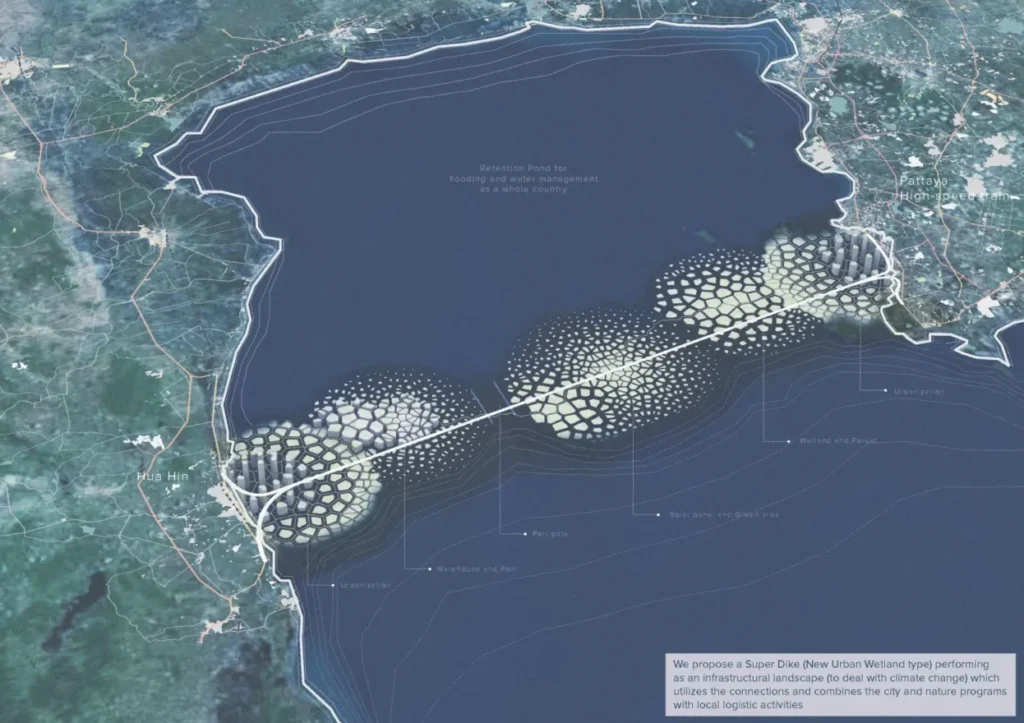
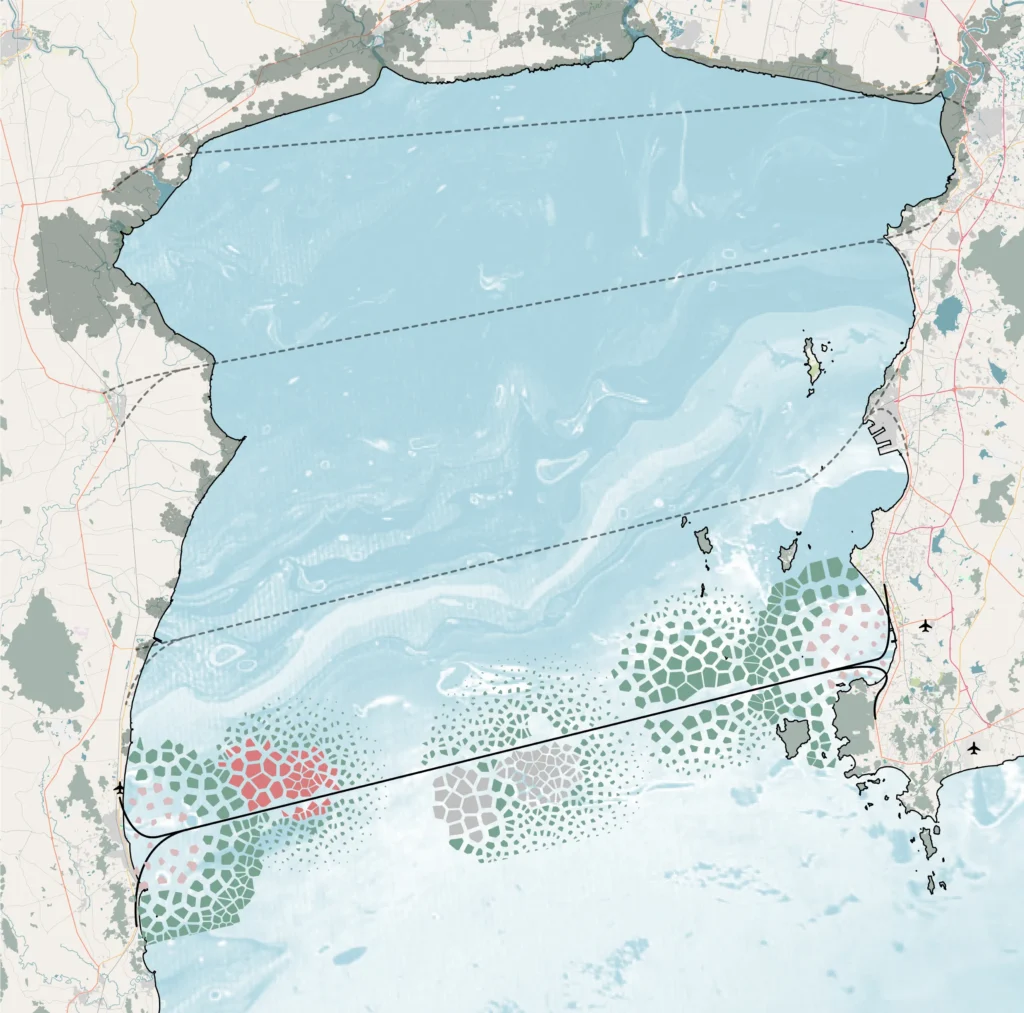
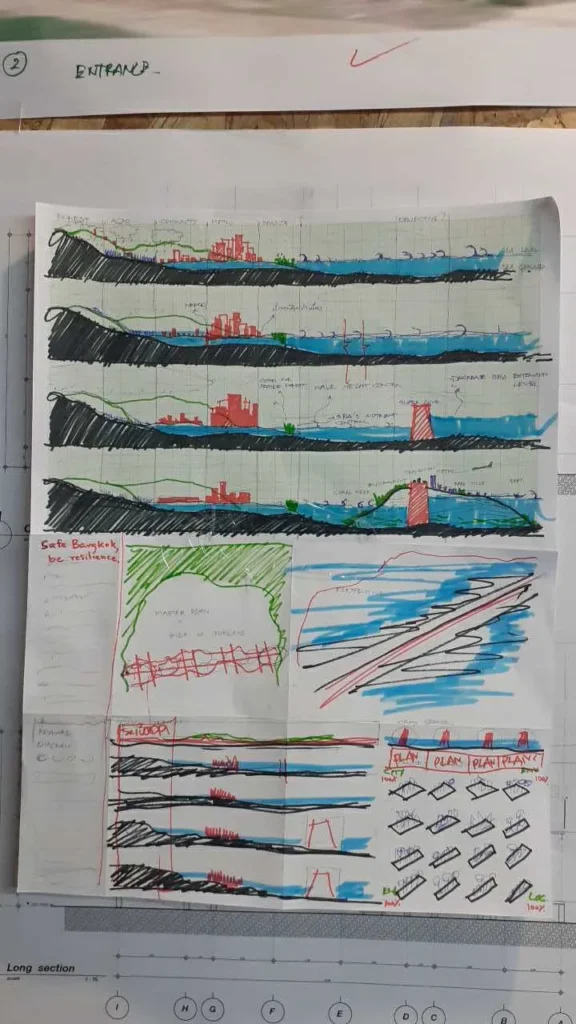
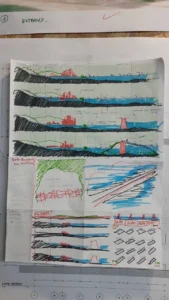
The design scenario showcases a multi-scale system of flood risk management (FRM): from super dikes that integrate housing, public space, and retention landscapes, to sponge street corridors that hold and delay water, and subsurface storage zones beneath plazas and urban voids. Rather than treating water as a threat to be excluded, the proposal reframes it as a relational design agent—one that shapes the city’s form, lifestyle, and resilience strategy.
At the core is the concept of Urban Adaptation Pathways—a framework that allows for incremental, flexible, and context-sensitive interventions. These include retrofitting existing infrastructure during redevelopment cycles, embedding water systems into public amenities, and aligning flood strategies with socio-economic transitions such as gentrification, densification, or mobility shifts.
The exhibit demonstrates how RU-based adaptation can maximize co-benefits: ecological regeneration, community cohesion, heat reduction, and long-term spatial flexibility. This approach moves beyond engineering to integrate urban design, landscape thinking, and participatory governance—fostering a city that is not only protected, but also adaptive, inclusive, and alive.
Related Projects