Underground Water Storage at RMUTT
Project :
Landscape Architecture / Urban Infrastructure
Programs :
Water Management, Environmental Education
Client :
CHICHIBU Chemical Co., Ltd. (Japan) and Rajamangala University of Technology Thanyaburi (RMUTT)
Location :
RMUTT, Pathum Thani, Thailand
Year :
2025
Total Area :
200 sq.m.
Status :
Under Construction
Funding :
Ministry of Economy, Trade and Industry (METI), Japan
Key Strategies :
Modular underground water storage, Flood adaptation, Pedagogical infrastructure, Climate-responsive landscape, Research integration
The Plastic Rainwater Storage Structure (PRSS)
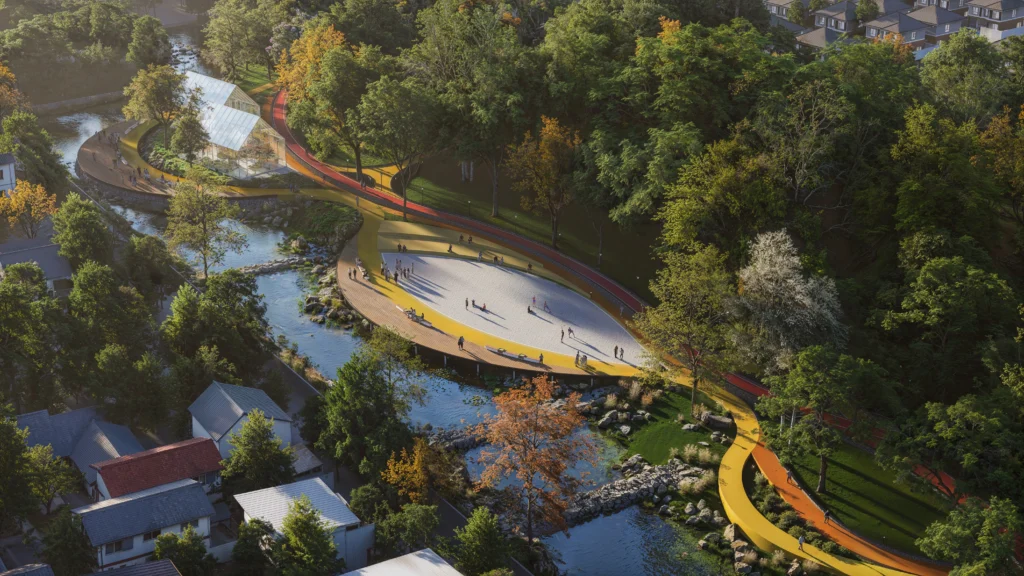
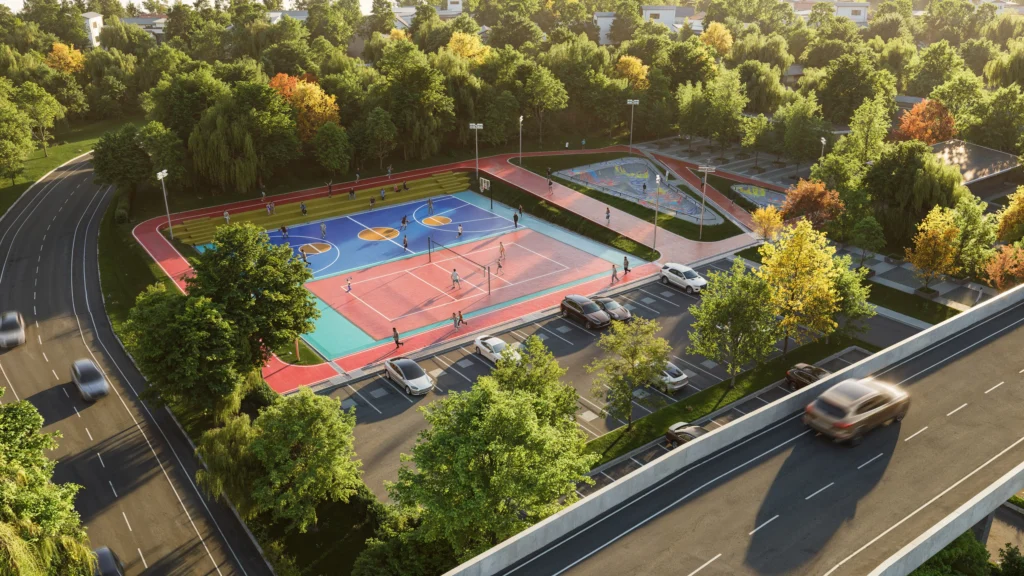
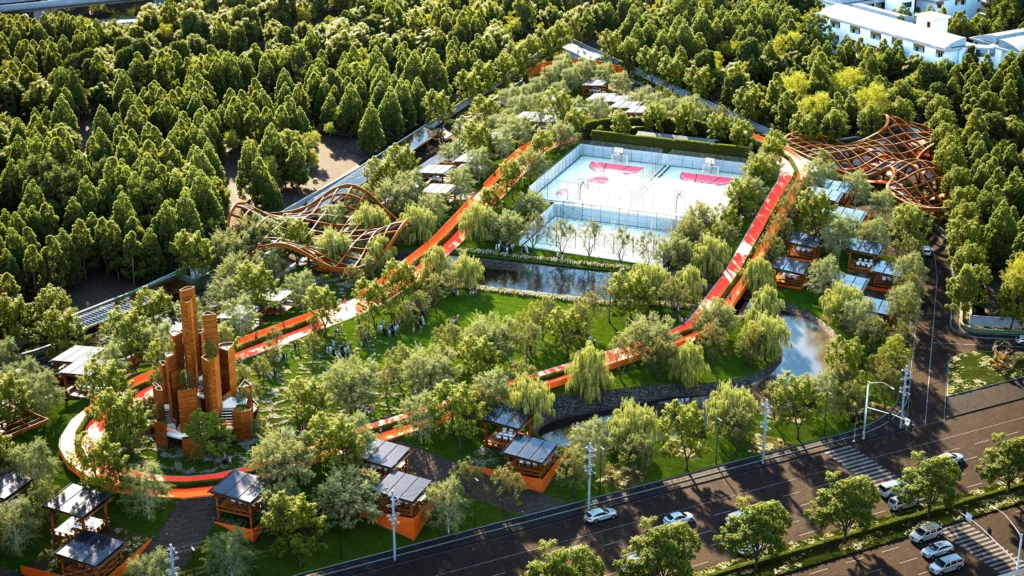
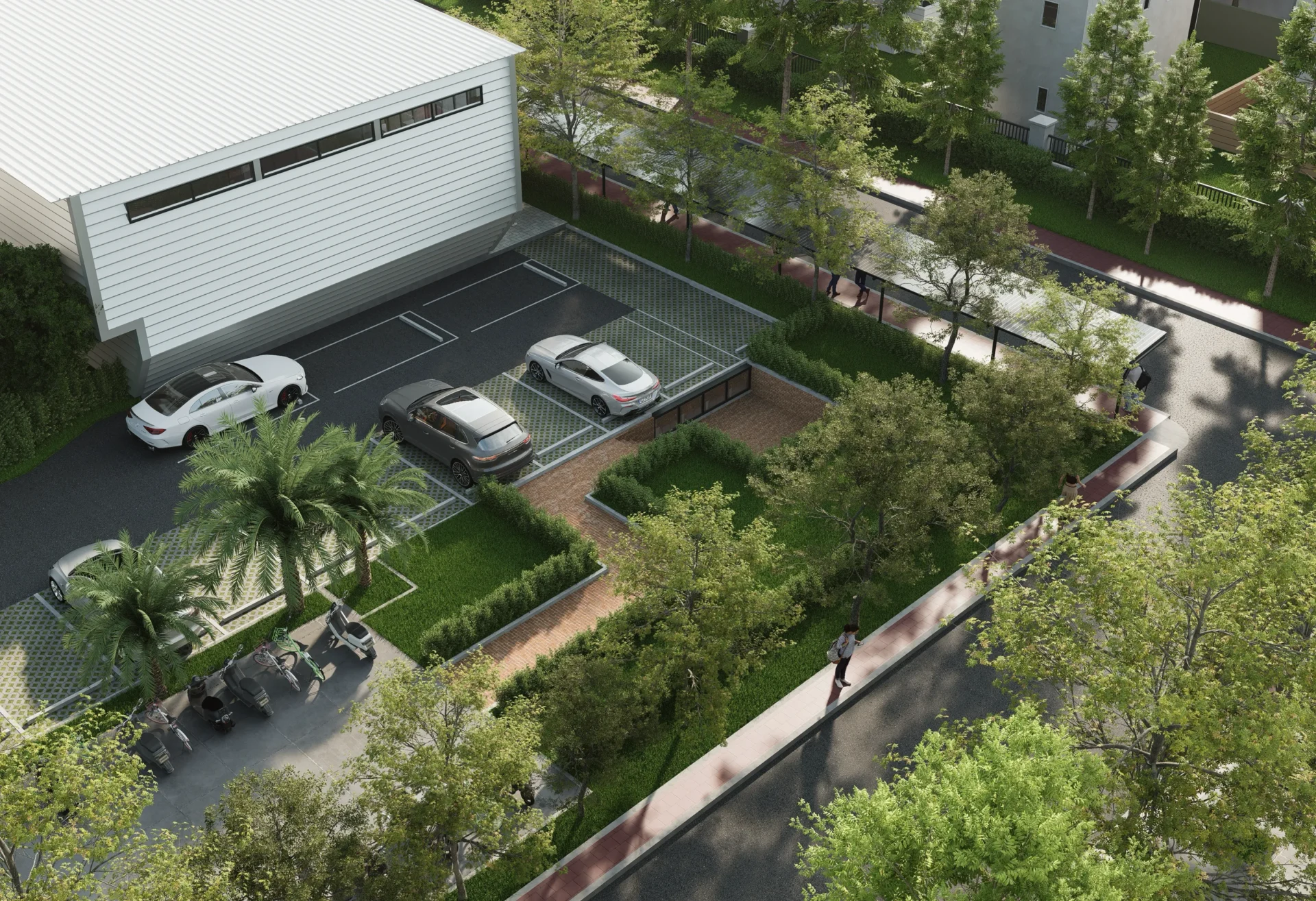
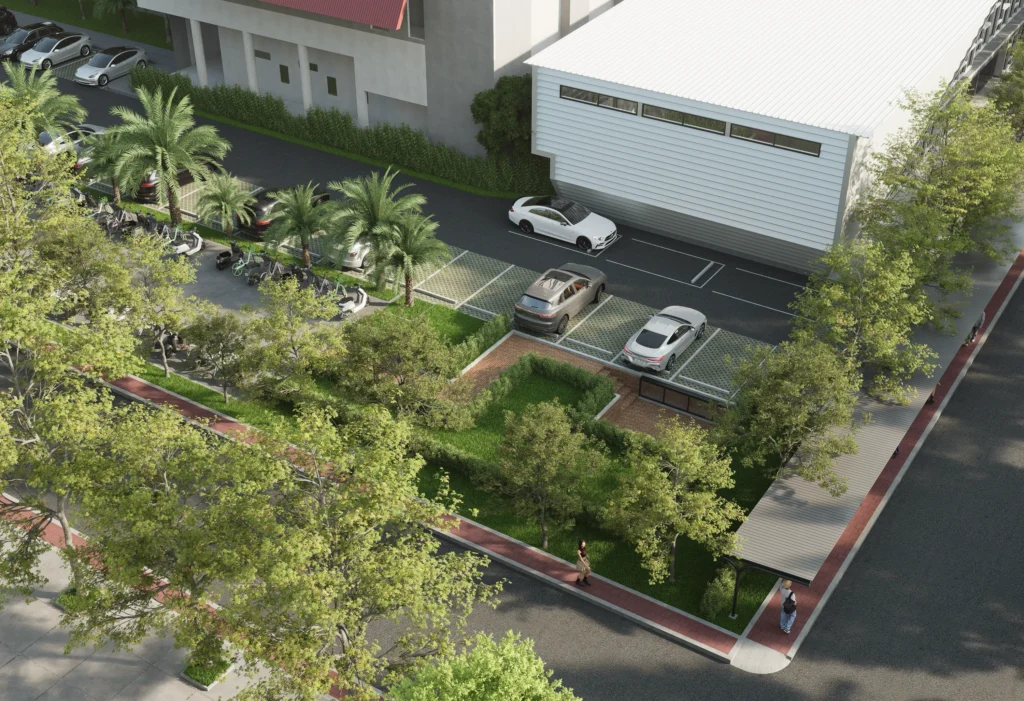
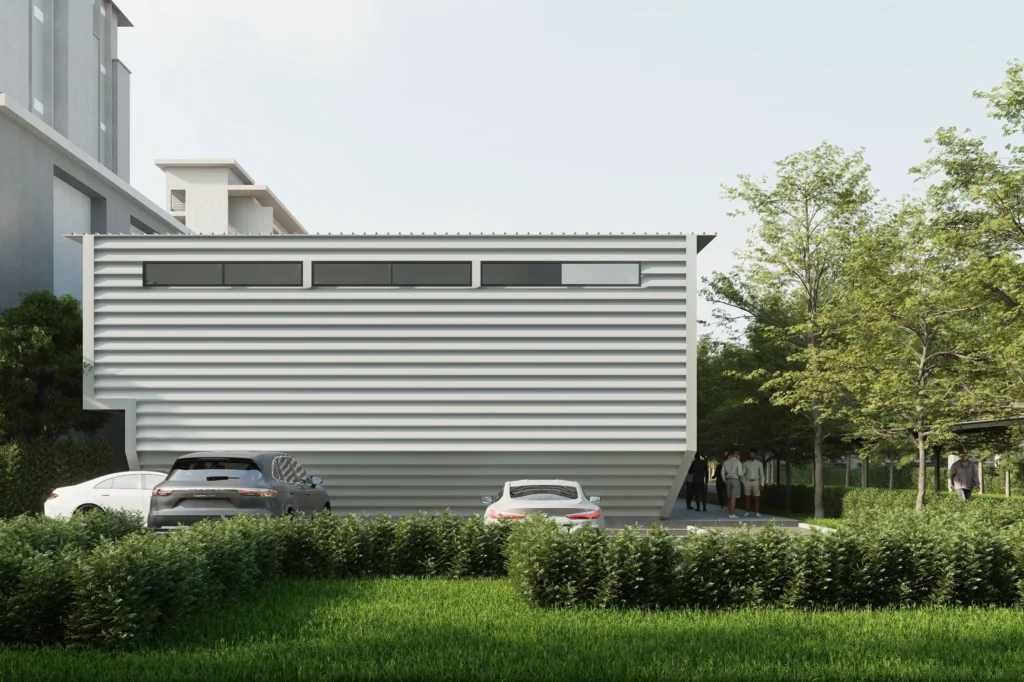
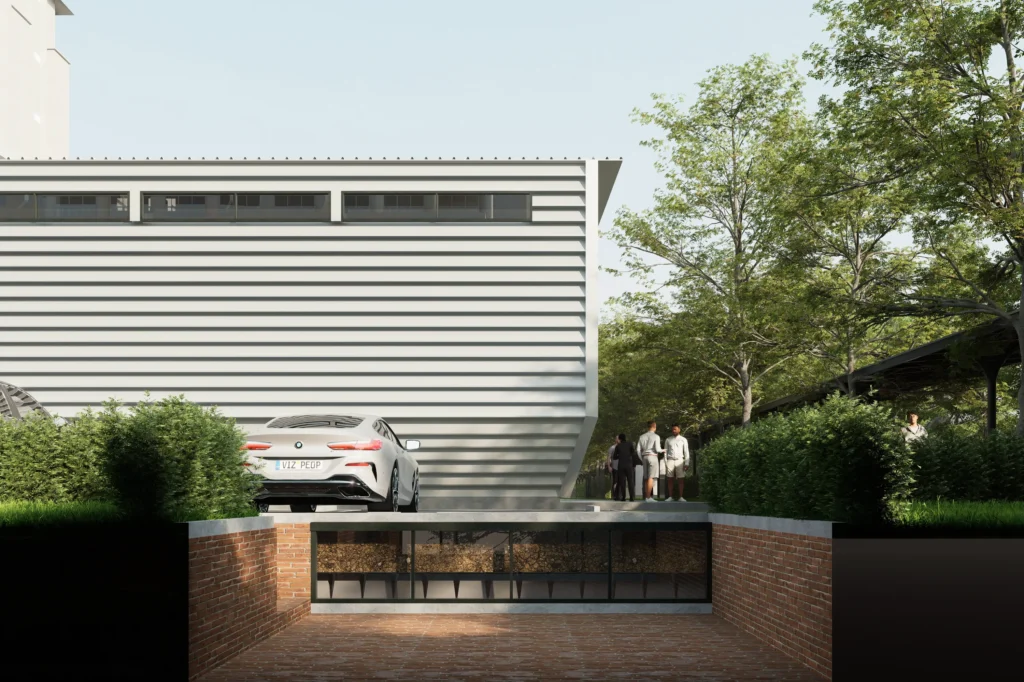
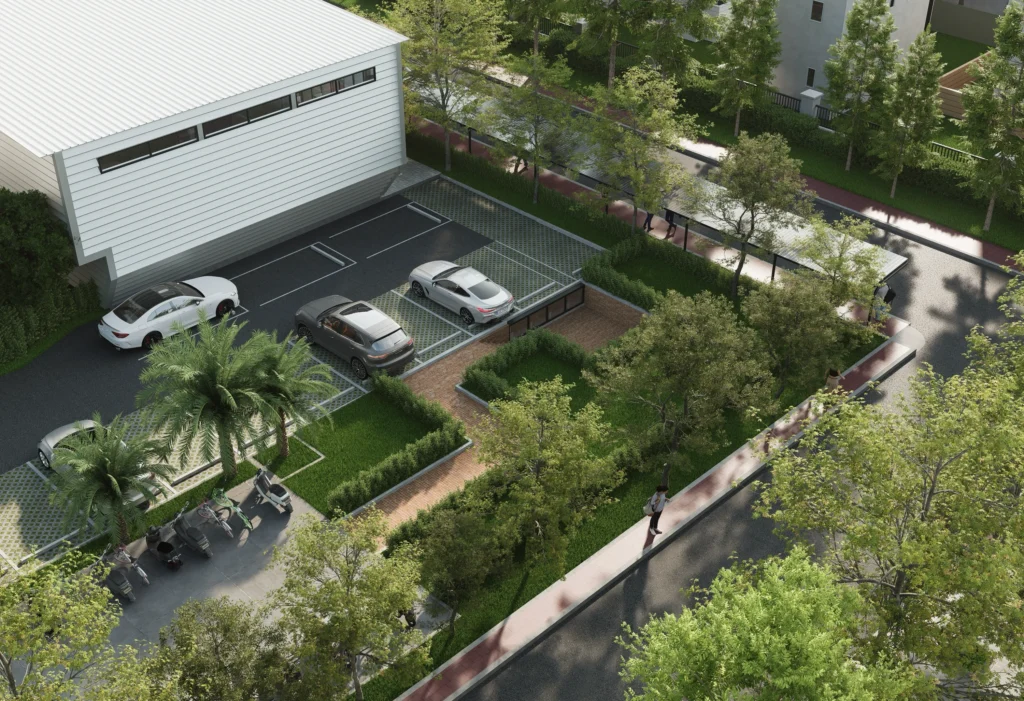
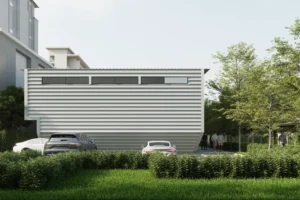
At the Faculty of Architecture, Rajamangala University of Technology Thanyaburi (RMUTT) is a pioneering flood resilience solution designed by NPPN Design and Research. The Underground Water Storage at RMUTT is a pioneering initiative that merges climate-resilient infrastructure, design education, and environmental awareness. Located on the campus of Rajamangala University of Technology Thanyaburi (RMUTT), this 200-square-meter prototype introduces a modular underground rainwater storage system developed in collaboration with CHICHIBU Chemical (Japan) and funded by the Ministry of Economy, Trade and Industry (METI) of Japan.
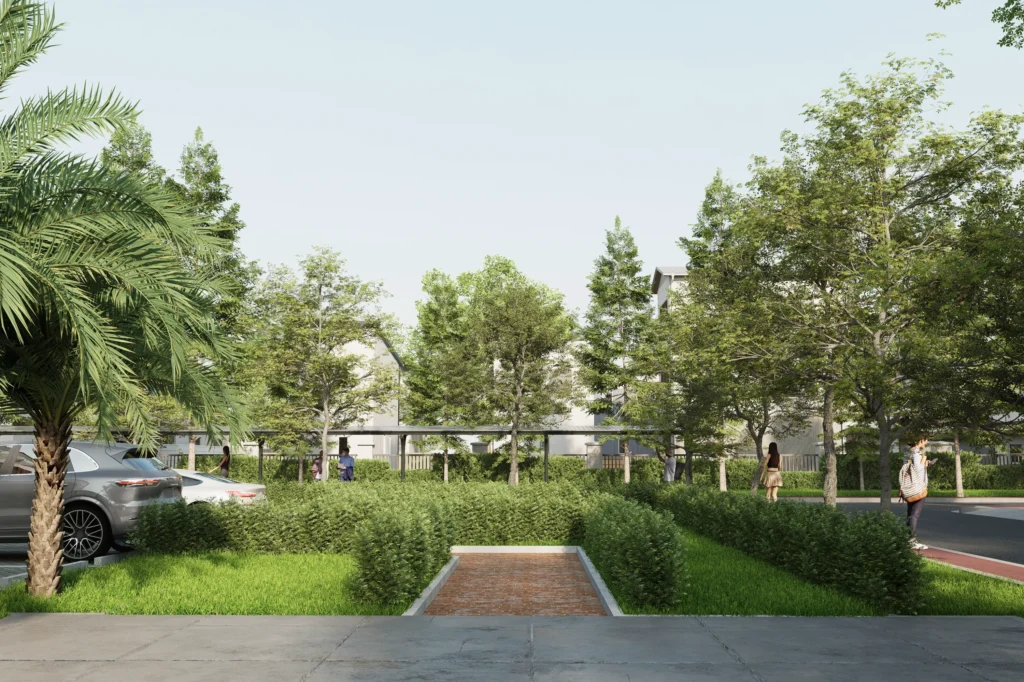
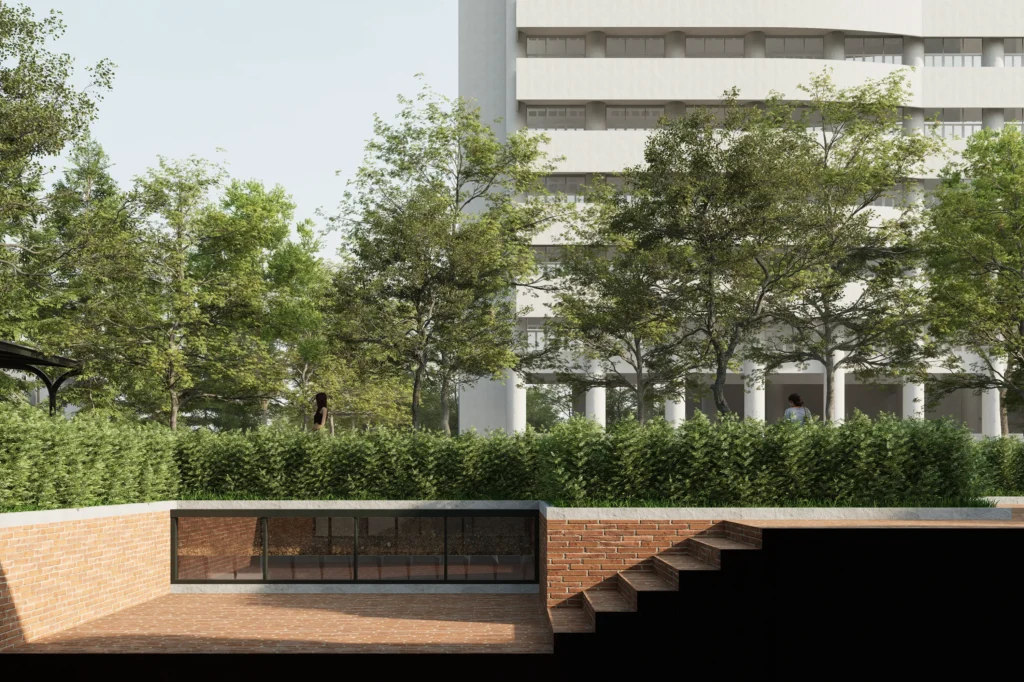
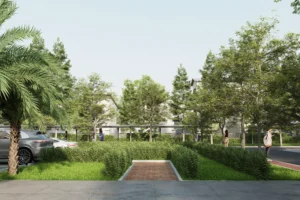
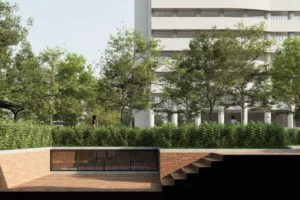
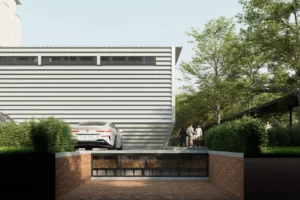
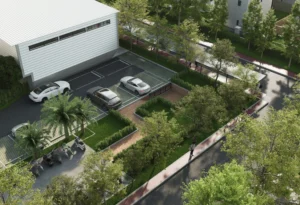
Designed as both infrastructure and learning platform, the project captures and stores stormwater for reuse in irrigation and non-potable functions, while transforming the surface above into a landscaped public zone. The system is visible, accessible, and educational, featuring interpretive signage, data dashboards, and possible viewing ports that connect users to the hidden hydraulic system below. This dual function enhances both flood resilience and public engagement, showcasing how universities can become laboratories for decentralized water management.
The project is part of a broader research initiative led by WAIC (Water Adaptation Innovation Center) at RMUTT, committed to documenting and disseminating performance data, technical knowledge, and adaptive design principles across Southeast Asia. It stands as a replicable model for urban institutions facing increasing climate variability and water insecurity.
Related Projects